Coffee in Rome: The Rules Locals Actually Follow
You’ve read it a hundred times: never order a cappuccino after 11am in Italy.
Let us fix that for you, because almost everyone gets the reason wrong.
Nobody forbids it. There’s no law, no ban, no barista who will refuse you — not yet, anyway. You can have a cappuccino in the late morning, in the afternoon, whenever you like.
But here’s what those articles miss: the problem was never the clock. It’s the context.
The real cappuccino rule
Breakfast in Rome — and everywhere in Italy — is close to sacred. Like everything in this country that involves food.
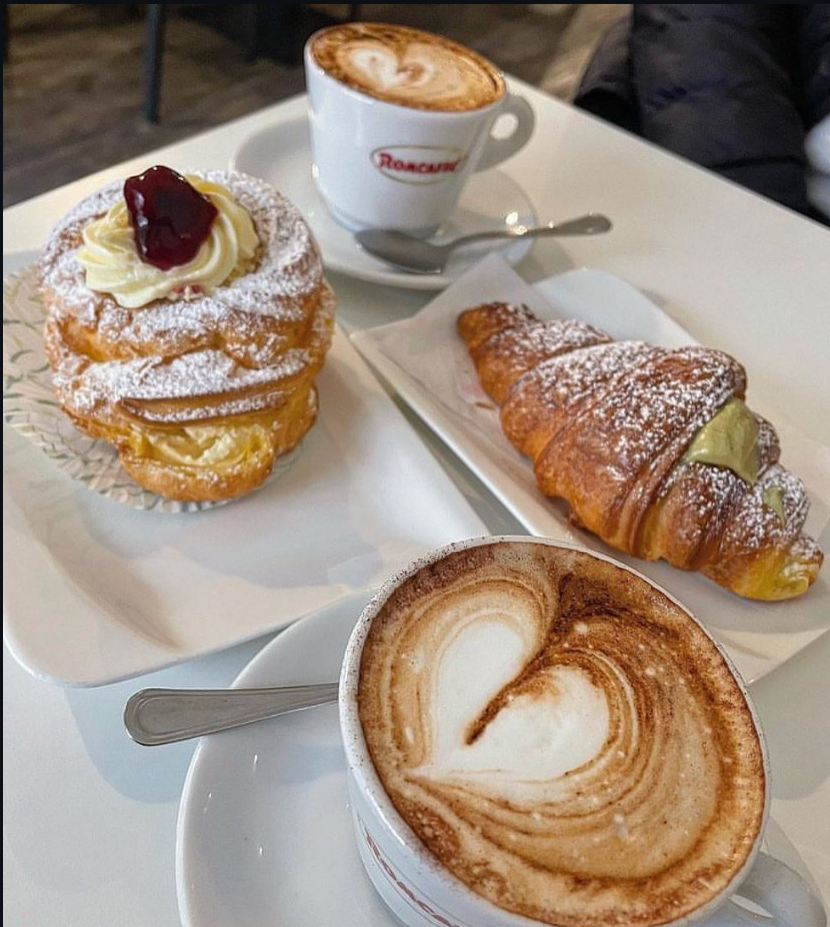
The classic, unchanging Roman breakfast is cappuccino and cornetto. And that pairing tells you something important: cappuccino belongs to the sweet side of the table. It lives with pastries, not with savoury food.
No Italian will ever have a cappuccino with a sandwich. That’s one of the certainties we grow up with here.
So a late breakfast at noon? Completely normal. Plenty of us do exactly that — cappuccino and cornetto at midday, no eyebrows raised. A cappuccino alongside a plate of pasta or a pizza? That’s the one that hurts.
If you’re used to a food culture where combinations aren’t given much thought, you’ll wonder what the fuss is about. But here, we pay a lot of attention to what goes with what. It’s the same instinct that means you’ll never find anyone in Italy putting mayonnaise on clams.
Yes, it all ends up in the same stomach. We know. But before it gets there, it passes through your mouth — and through your sense of taste.
So: never order a plate of pasta with a cappuccino, unless you want to end up in the clutches of a very disappointed waiter.
Five a day, standing up
The average Italian drinks around five coffees a day.
Which explains everything about how we drink them. As nice as it would be to sit down and enjoy each one in peace, at that frequency you’d lose half your day. So unless the coffee is an excuse — and often it is, because “let’s get a coffee” is really an invitation to talk, to spend time with someone properly — you’ll find your average Roman standing at the counter, downing their second or third coffee of the day in a few seconds, and off they go.
The unhurried version comes later. That’s what the evening aperitivo is for, and that’s a different ritual entirely.
What a coffee actually costs
Around €1.20 on average across Rome, standing at the bar.
Sit at a table and you’ll pay more — that’s table service, and you’re paying for it. Nothing shady about it.
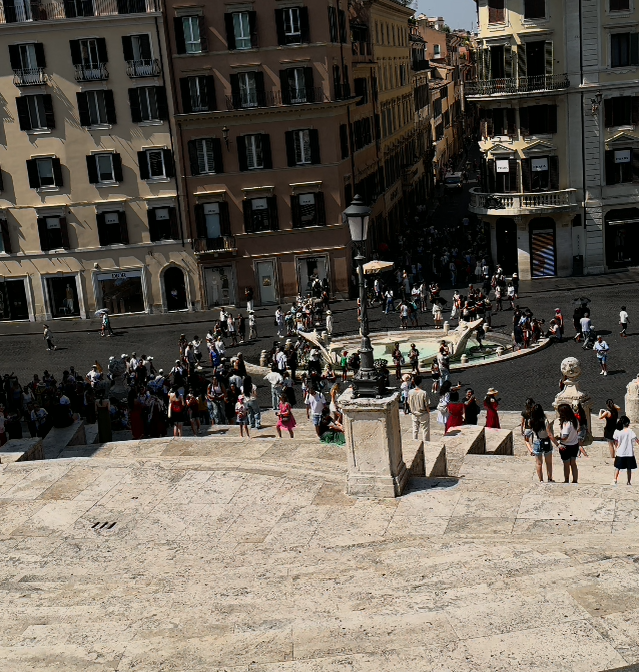
And in the prime spots, the price climbs. Around Piazza di Spagna, or on Via Veneto, an espresso can reach €4 or €5.
Now, we’ve said this before about restaurants and we’ll say it again here: that’s not automatically a rip-off. A bar in a central, sought-after, heavily visited location carries far higher rent and running costs than one in a residential neighbourhood. The price reflects where you’re standing.
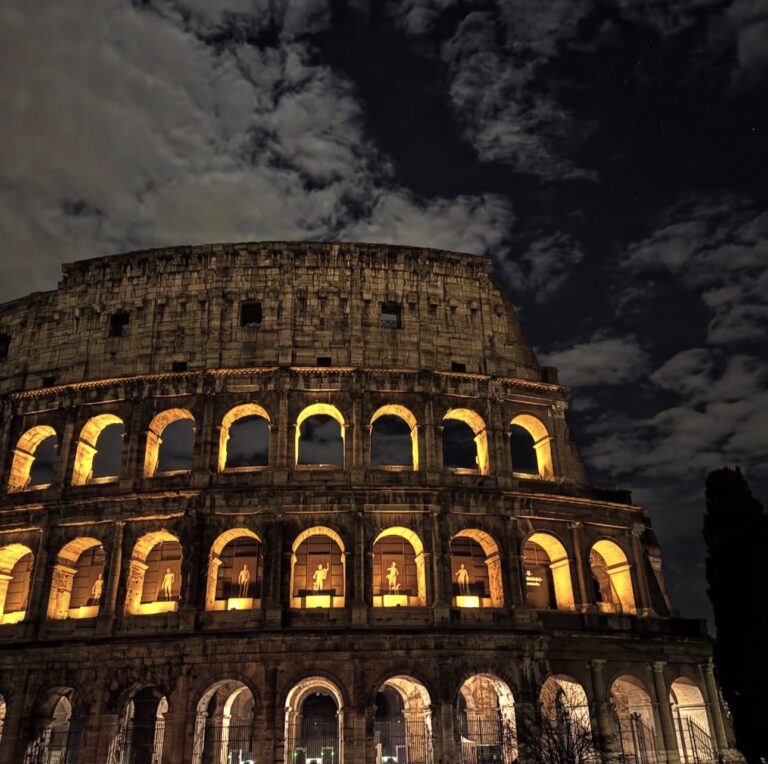
So decide for yourself whether it’s worth five euros to drink your Italian espresso with a view of the Colosseum. In plenty of other places, people spend three times that and get nothing of the same cultural value in return.
What “a coffee” means here
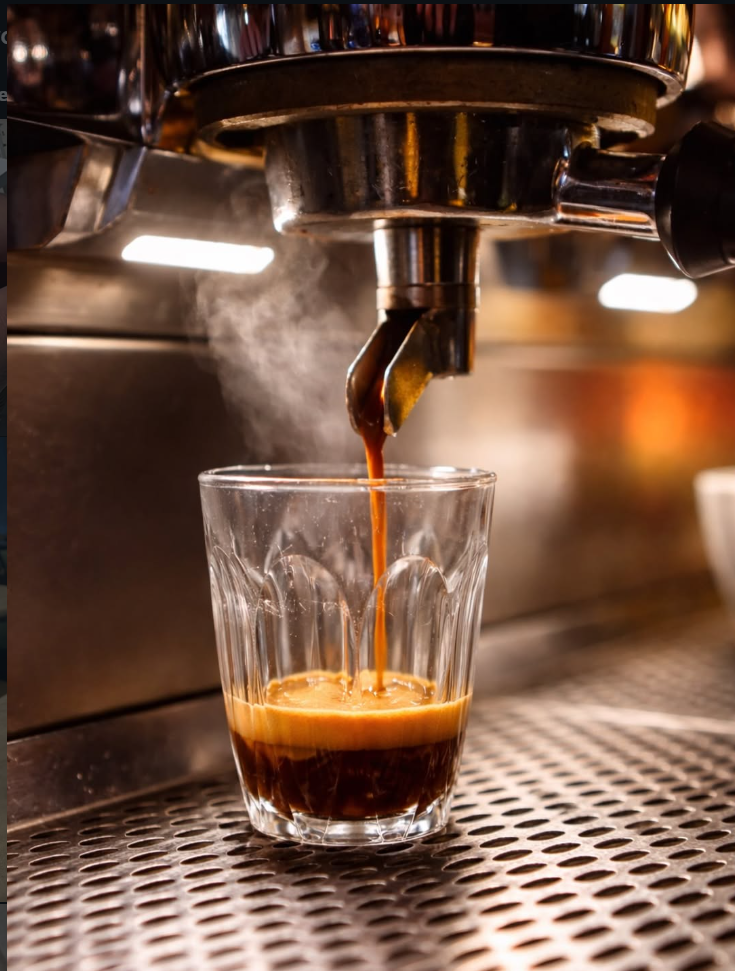
Order “un caffè” in Rome and you will receive an espresso. That’s the default, and there is no other.
At most, you’ll adjust it slightly:
- Caffè macchiato — espresso “stained” with a drop of milk
- Caffè corretto — “corrected” with a splash of liquor
- Beyond that, you’re already in specialist territory
The point is that our coffee is a concentrated, short drink. It’s designed to be taken in a couple of sips, at a counter, and then you’re on with your day.
Why we don’t do coffee to go
Here’s an honest one, and we’ll frame it as what it is — advice, not a commandment.
If you drink coffee the Italian way, it isn’t a drink that needs a takeaway cup. An espresso is two sips. Where exactly would you walk with it?
The same goes, in our view, for cappuccino. It’s longer, sure — but how do you actually enjoy it while walking? It makes sense at the counter, or at a table.
If you want something to carry through the streets, get a smoothie, or an iced tea in summer. That’s what those are for.
But this is your local friend’s advice, not an Italian imposition.
The short version
- It’s not the hour, it’s the pairing — cappuccino belongs with sweet things
- Late breakfast with a cornetto at midday: perfectly normal
- Cappuccino with pasta or pizza: that’s the real mistake
- About €1.20 at the counter; up to €4–5 in the prime squares — and there are reasons for that
- “Un caffè” means espresso. Macchiato is with a drop of milk, corretto is with liquor
- Take it standing, not walking
Take the suggestions of the locals. Learn to balance the right things together. Your sense of taste will be the one that benefits most.
Common questions
Can you order a cappuccino after 11am in Italy?
Yes. Nobody is counting the hours, and a late breakfast at midday with a cornetto is completely normal. The real rule is about pairing, not timing — cappuccino belongs with sweet things, never alongside pasta or pizza.
How much does a coffee cost in Rome?
Around €1.20 standing at the counter. Sitting at a table costs more — that’s table service. Near Piazza di Spagna or on Via Veneto an espresso can reach €4 or €5, which reflects the rent rather than a scam.
What does “un caffè” mean in Italy?
An espresso. That’s the default and there is no other. A macchiato is stained with a drop of milk, a corretto is corrected with a splash of liquor — beyond that you’re in specialist territory.
Still got a question about Rome? Ask a Roman — we answer the good ones on the site.
More real Rome, one honest tip at a time — callmeitaly.com