Where Romans Really Eat in 2026 (Hint: Not Where the Guides Send You)
An honest local’s guide to eating in Rome — the traps to skip, the truth about the famous neighborhoods, and why the best meal of your trip might be in the last place you’d look.
Let’s start with the uncomfortable truth, the one your guidebook won’t tell you: in Rome, some of the most famous “foodie” neighborhoods are no longer where you’ll find the best Roman food.
That’s not cynicism. It’s love. Because when you care about something, you tell the truth about it — and the truth is that finding a genuinely authentic Roman meal takes a little more know-how than following the crowd. Here’s how a local actually does it.
The trap: how to spot a tourist restaurant in three seconds
There’s one signal that tells a Roman everything, instantly. The board of photos at the entrance. The tourist menu on display — especially if it’s in English.
The moment you see that, you know exactly who the place is for. It’s not that you’ll necessarily eat badly there — you might get a perfectly fine plate of pasta. It’s that you won’t get the real thing: that home-style Roman cooking that makes you feel like you’ve been welcomed into someone’s family, the kind that stirs the memory of Sunday lunch and grandma’s ragù. Simple, and yet somehow deeply complex. That’s the food worth traveling for. And it’s rarely the food behind the photo board.
The second red flag: the guy outside trying to pull you in. In the central, high-traffic areas, you’ll meet the “buttadentro” — literally the “thrower-inner” — the person whose job is to intercept passersby and usher them inside, promising the “best Roman cuisine in the city.” A place that has to grab you off the street to fill its tables is telling you something. The real ones don’t need to.
We’ve since written the full field guide to this: how to spot a tourist-trap restaurant, signal by signal, inside and out.
The hard truth about the famous neighborhoods
Here’s where I’ll be more honest than most: the historic districts you’ve read about — Testaccio, Trastevere, the Jewish Ghetto — were once the undisputed best places to eat in Rome. This is where you’d find the finest carciofi alla giudia (Jewish-style fried artichokes) in the world. This is where places like the legendary Trattoria Sora Lella on Tiber Island — founded in 1959 by Elena Fabrizi, sister of the great actor Aldo Fabrizi, with a woman cooking with love in the kitchen — defined what Roman hospitality meant.
But let’s be honest about today. In our times, a lot of that culture has thinned out. In the most renowned neighborhoods, it’s now genuinely hard to find a truly authentic culinary experience. Big chains and foreign-run operations have, frankly, flattened the uniqueness of Roman cooking in the most trafficked zones.
I’m not saying you can’t eat well anywhere in these areas — you still can, if you know exactly where to go. I’m saying the famous names have, in many cases, lost their romanità, their Roman soul. The reputation now outlives the reality. So don’t just walk into Trastevere assuming the nearest busy trattoria is the real deal. Fame and authenticity stopped being the same thing a while ago.
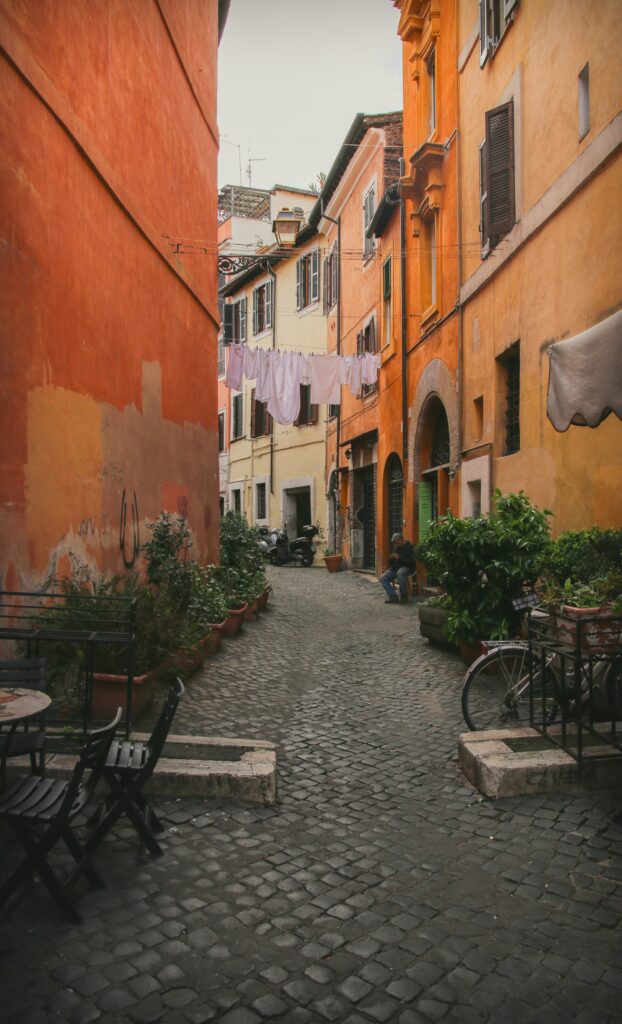
So where do Romans actually eat?
Here’s the local secret, and it’s almost the opposite of what you’d expect: the authentic place doesn’t need to be seen.
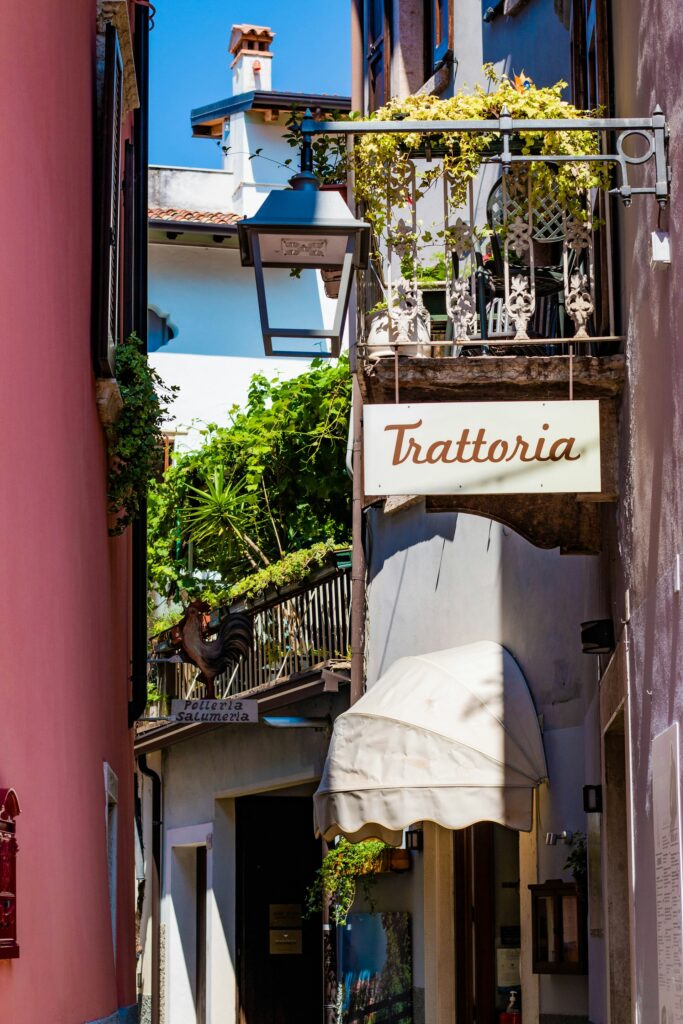
It won’t be on the main square. It’ll be sitting quietly in some overlooked corner, maybe with an old faded “Trattoria” sign in the least visible spot on the street. Inside: paper tablecloths, nothing flashy, nothing designed for a photo. And yet it’ll be full — turning tables three times a night. Often it’s family-run, maybe with one longtime worker who’s been part of the family for years. That place will make you feel at home. It’ll give you the italianità — the Italian-ness — that’s getting rarer by the year.
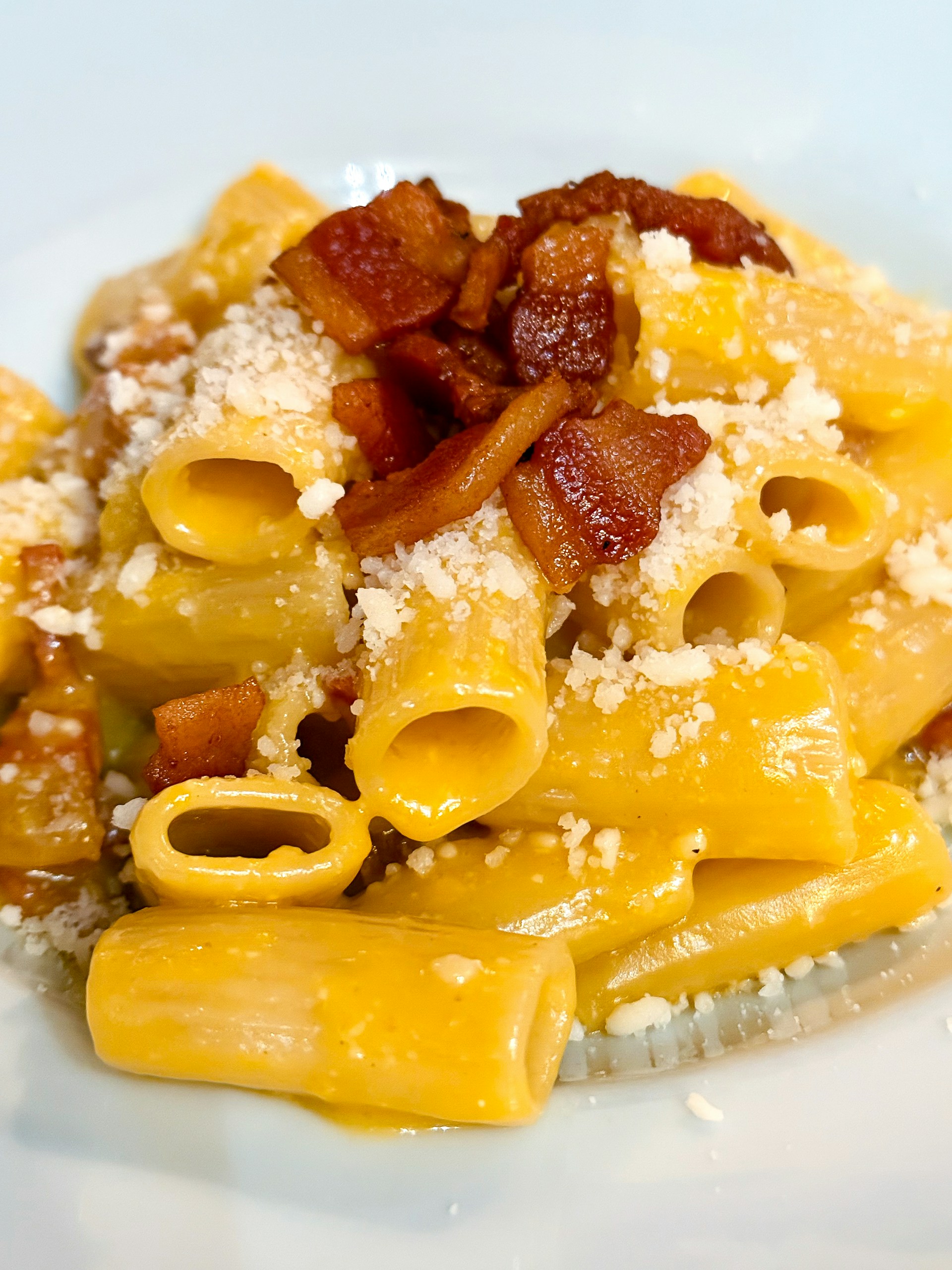
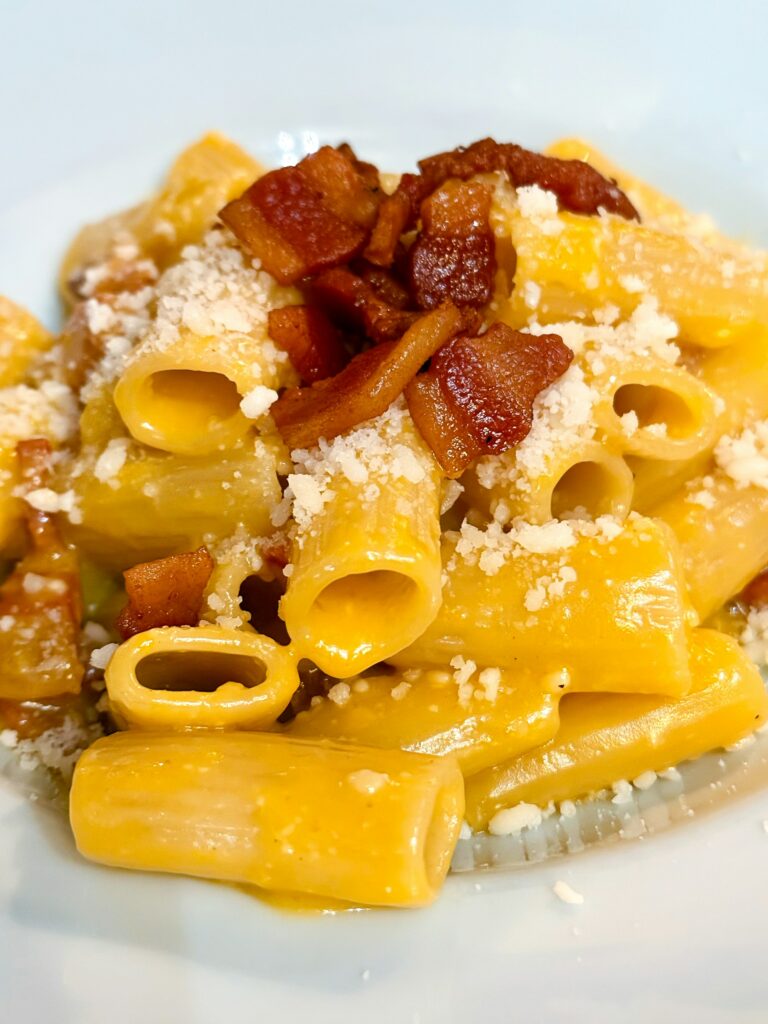
And here’s the beautiful part: you might eat the best carbonara of your entire life in the most improbable place imaginable. Because these kitchens aim at the essence, not the appearance.
Personally? My favorite spot is a little restaurant out in Alessandrino — a peripheral, un-touristy part of Rome, nowhere near the center — where for years I’ve eaten the best carbonara and gricia of my life. No tourist would ever stumble on it. That’s exactly why it’s so good.
The lesson isn’t “go to one specific address.” It’s be willing to leave the center. The magic often lives where the tour buses don’t.
What should you eat? Everything.
People always ask, “What’s the one dish I have to try in Rome?” Honestly, that’s the hardest question — and I think it’s the wrong one.
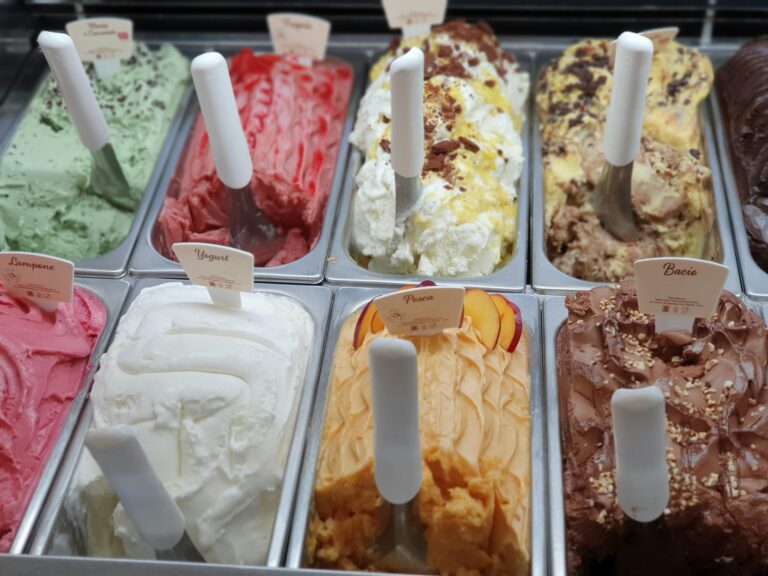
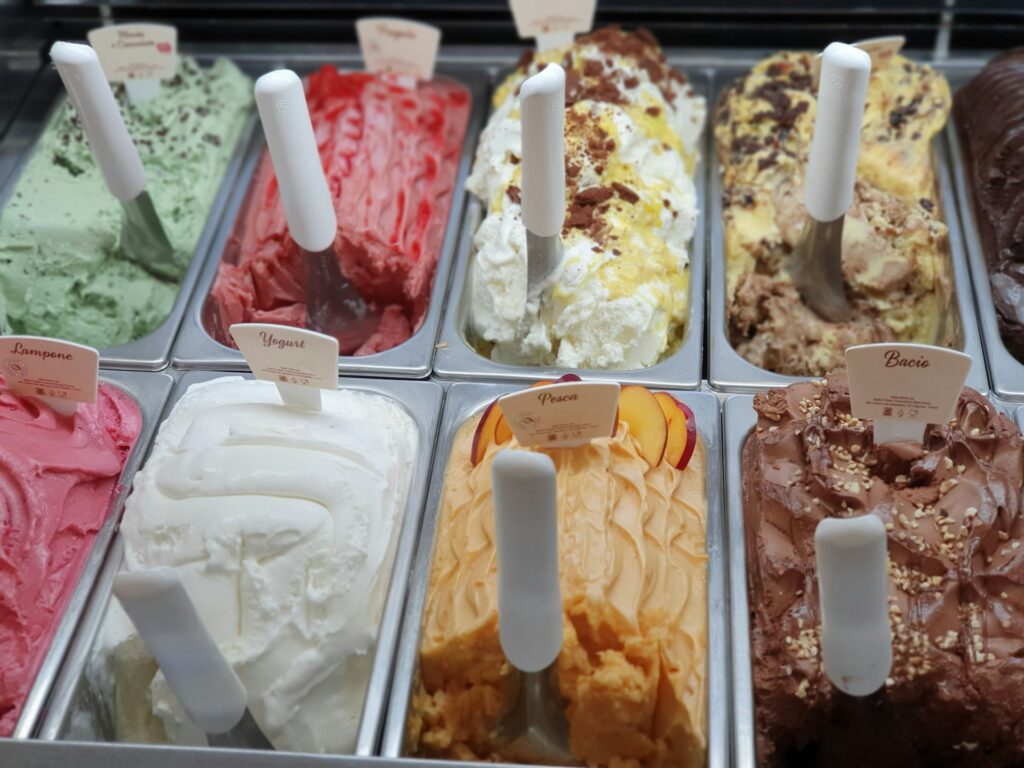
An Italian holiday begins on the premise of a culinary journey. This is, factually, the country the world ranks first for its food — and I don’t say that to boast, I say it because it’s true. So it feels wrong to tell you “you must try the carbonara” and stop there. No — you should try as many things as possible: carbonara, gricia, cacio e pepe, amatriciana, the artichokes, then tiramisù, then gelato, then the pastries. And the absurd, wonderful thing is that each one will somehow seem better than the last.
(A quick note for the curious: carbonara and gricia are cousins — gricia is essentially carbonara without the egg, just guanciale and pecorino. Ask a Roman who makes the best carbonara and the answer is always the same: himself. Every Roman is convinced his own is the best. It’s a conviction baked deep into our DNA.)
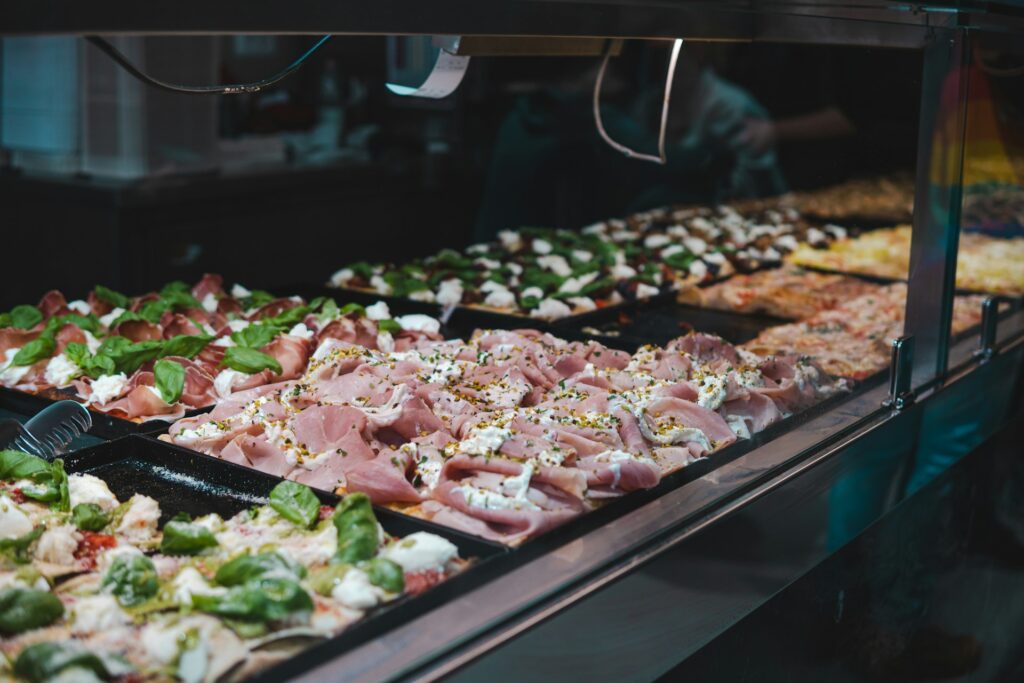
And sometimes the best food isn’t a plan at all. Sometimes you just take a walk, turn down the right alley, and stumble on a simple pizza al taglio counter where you eat the best supplì or slice of pizza of your life. Let Rome surprise you. It’s very good at it.
When that happens, it helps to know what you’re doing: our guide to Roman street food covers how to order, what it costs, and where a taxi driver actually eats.
A few local rules that will save you money (and confusion)
Two things on the bill tend to confuse — even worry — visitors, especially Americans. Let a local put your mind at ease.
The “coperto” (cover charge). You’ll see a small per-person charge on the bill. That’s the coperto — the restaurant’s fee for the service: the cutlery, the bread, the clean tablecloths, the table itself. It’s nothing to be alarmed about. In fact, it’s far cheaper than the tipping you’re used to back home.
Tipping. Here’s the big cultural difference: in Italy, the tip is not obligatory, and there’s no minimum percentage. It’s completely free. You leave one only when you’re genuinely satisfied with the food and the service — and even a euro, or “leaving the coffee,” is a perfectly acceptable gesture. Compared to the automatic 15–20% back in the States, this comes as a relief (and a saving).
We’ve gone deeper on all of this: tipping, the coperto, church dress codes and the mistakes nobody warns you about.
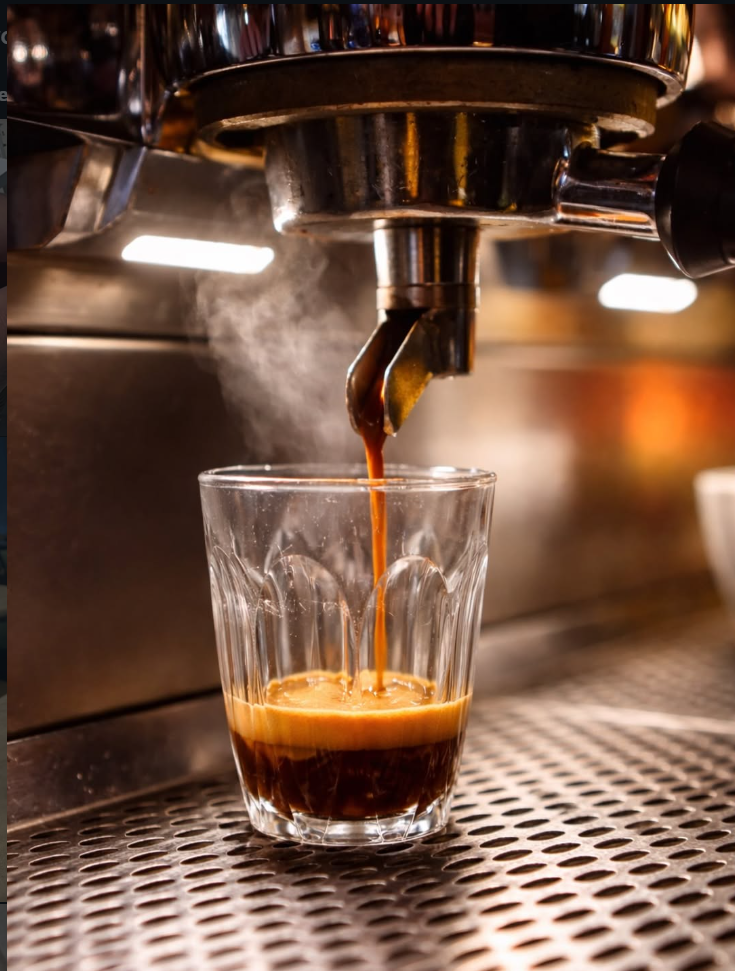
The coffee at the counter vs. at the table. You may have read that sitting down always costs more. The truth is more nuanced: in most of Rome, the difference is minor. But in a handful of exclusive or heavily touristic spots — think Via Veneto, certain rooftop bars, and especially Piazza San Marco over in Venice — a coffee at the table can cost a small fortune, and breakfast for four can run €50–60. Is that a scam? Not really — it’s the same logic as a premium spot anywhere. (I once paid $160 for breakfast for four at Caesars Palace in Las Vegas, so the principle isn’t exactly foreign.) Just know that in those specific places, the table carries a premium — so drink your espresso standing at the counter like a Roman, and save the table for when the view is worth it.
And on that: the real rules of Roman coffee, including the cappuccino myth everyone gets wrong.
The bottom line
In December 2025, Italian cooking was inscribed on UNESCO’s list of Intangible Cultural Heritage — recognized precisely for what it is: the intimacy with food, the respect for ingredients, the memories passed around the table from one generation to the next. Grandparents teaching grandchildren. Sunday ragù. The essence, not the appearance.
Which is really the whole point. Roman food, at its best, isn’t trying to impress you. It’s just being itself — quietly, in some corner you almost walked past. Why be flashy, when you can simply be?
So skip the photo boards. Ignore the man waving you inside. Be willing to wander a little further than the famous square. And when you find the quiet place with the paper tablecloths and the full tables — sit down. You’re about to eat like a Roman.
Common questions
Where do locals eat in Rome?
Rarely where the guidebooks send you. For seafood we head out of the city to the coast, Sunday lunch means a place in a green park with carbonara and truffle, and for a quick bite it’s street food counters, not sit-down restaurants.
How do you find an authentic restaurant in Rome?
Look for a handwritten menu with the prices shown, staff in a proper uniform, a place that feels clean, and few dishes rather than a hundred. If a kitchen respects the tradition, you’ll eat well even in the most modest place.
Do Romans eat near the main monuments?
Not usually — and not because those places are all bad, but because we live elsewhere. The good news is that a few streets away from any monument, the prices drop and the cooking gets more honest.
Still got a question about Rome? Ask a Roman — we answer the good ones on the site.
More real Rome, one honest tip at a time — callmeitaly.com