What a Day in Rome Actually Costs (Real 2026 Prices)
You want to know what a normal day as a tourist in Rome will actually cost you — with no unpleasant surprises.
Fine. We’ll tell you, with real prices, in the order you’ll actually spend them.
Where to sleep: the biggest saving you can make
Before the day even starts, this is the decision that moves your budget more than anything else.
Staying outside the historic centre is significantly cheaper. A B&B or a holiday apartment in a non-central area costs far less than a five-star hotel in the middle of everything, and there’s a genuinely wide choice for every budget.
As an average in high season, expect around €120 per night for your accommodation.
And here’s the surprise nobody warns you about: the tourist tax.
Rome charges a contributo di soggiorno per person, per night, on top of what you paid for the room. It’s usually collected at check-out, and it catches people out constantly because it doesn’t appear on your booking total.
The rate depends on the category of the property: roughly €3 to €10 per person per night. For B&Bs, holiday apartments and short lets — where most visitors stay — it’s €6 per person per night. Hostels are around €3.50, campsites €3.
Two things that work in your favour: it applies for a maximum of ten consecutive nights in the same place, and children under ten are exempt.
For two people in a B&B, that’s €12 a night on top. Budget for it, and it stops being a surprise.
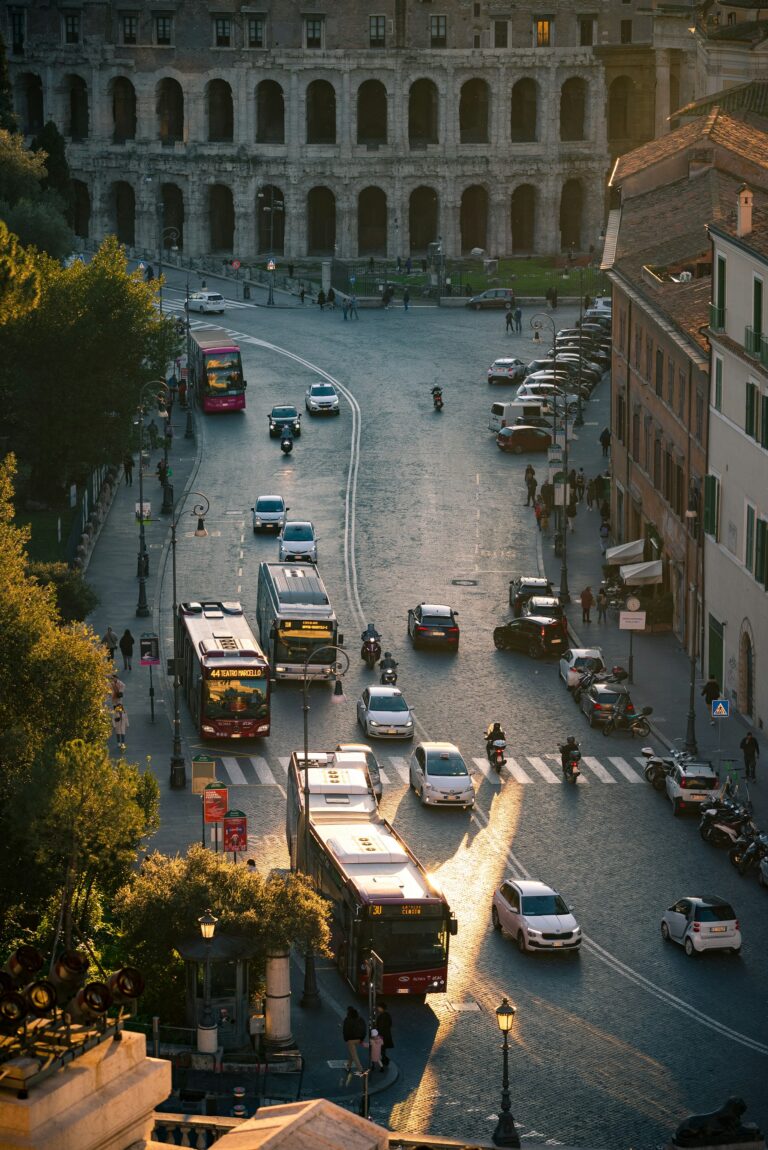
The trade-off is getting in each morning. Depending on exactly where you are, that’s either a taxi at €20–25, or the day travel pass at €8.50, valid on both buses and the metro. Do the maths on your specific location — but in most cases, the money you save on the room comfortably outweighs the transport.
Breakfast in Rome: around €5
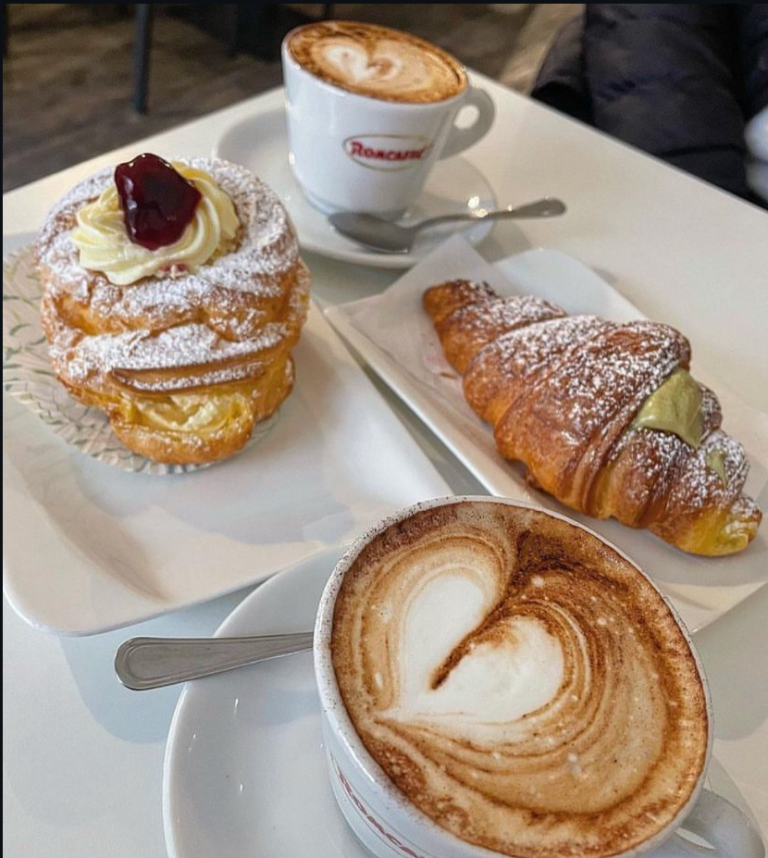
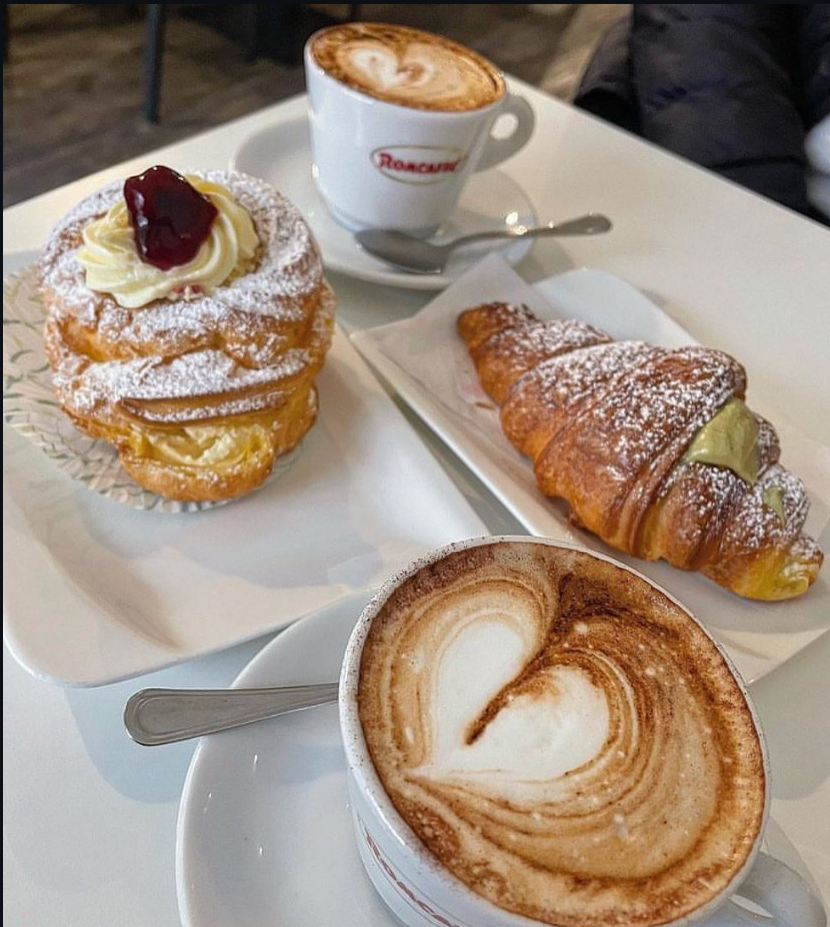
You leave the hotel and stop at the first bar you pass. Here’s what you’ll pay standing at the counter:
- Cappuccino — €1.50
- Espresso — €1.20
- Cornetto — €1.50
- Fresh orange juice (if it’s orange season) — €3.00
A full, generous Italian breakfast at the counter comes to about €5.
If you’d rather sit down and enjoy it, expect a table service supplement of roughly €3 more on the total. So: five euros standing, eight sitting.
And budget for two more espressos across the day — you’ll need them. That’s another €2.40, and it’s the most Roman line item on this list.
One important note. There are expensive places to have breakfast in this city — Via Veneto, the rooftop bars near the Colosseum. Genuinely upmarket, genuinely luxurious, and priced accordingly.
But you’ll never be caught out by them, because in Italy displaying the price list is compulsory. It’ll be at the entrance or just inside. Read it before you order, and the decision is yours.
(And on the eternal cappuccino question — we’ve covered that properly here.)
The morning: most of Rome is free
Breakfast done, you walk into the centre. And here’s the good news that surprises people:
Most of the wonders cost nothing to look at.
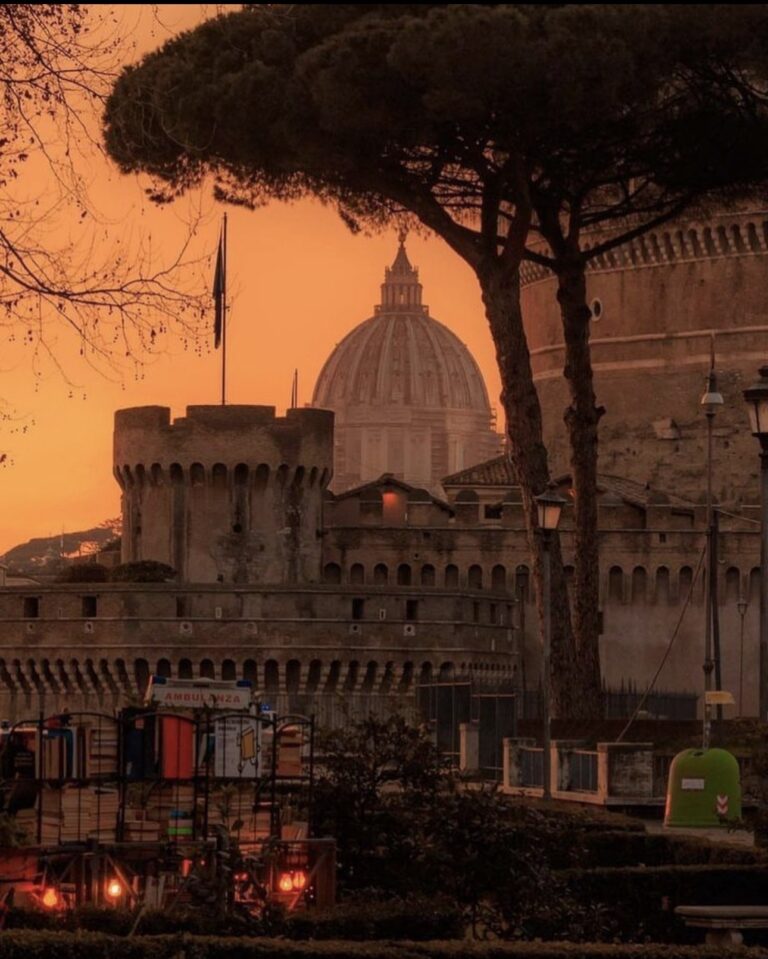
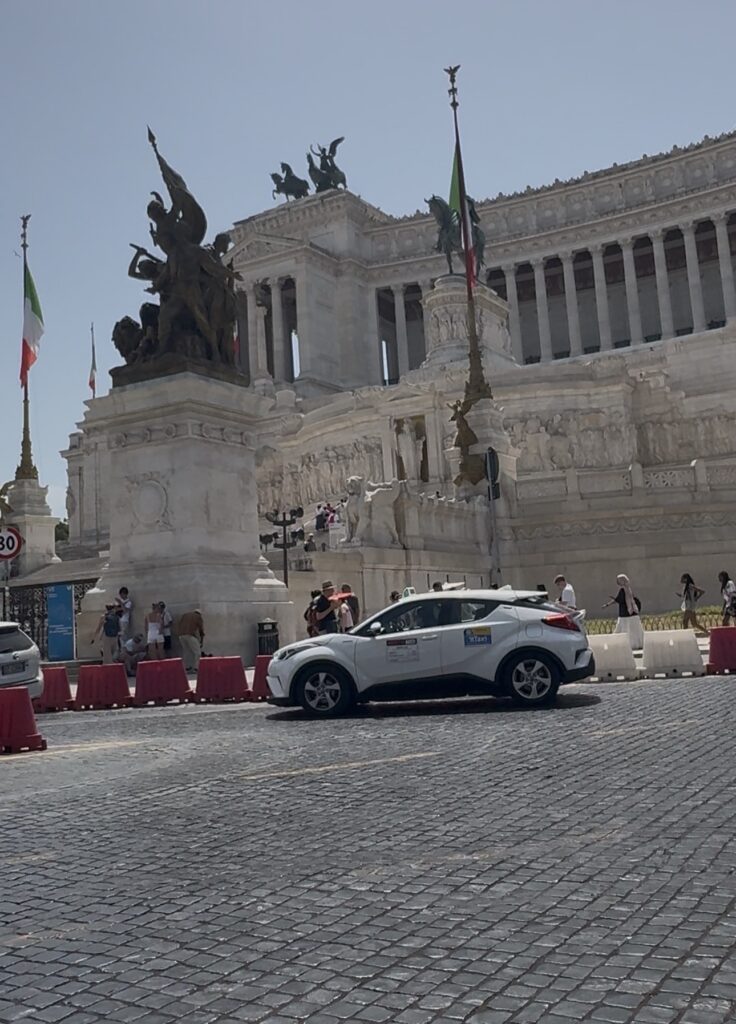
The Colosseum from outside. The Vittoriano. Piazza di Spagna. Via del Corso. The Gianicolo. The Pincio terrace above Piazza del Popolo. The gardens of Villa Borghese. All free, all worth your time.
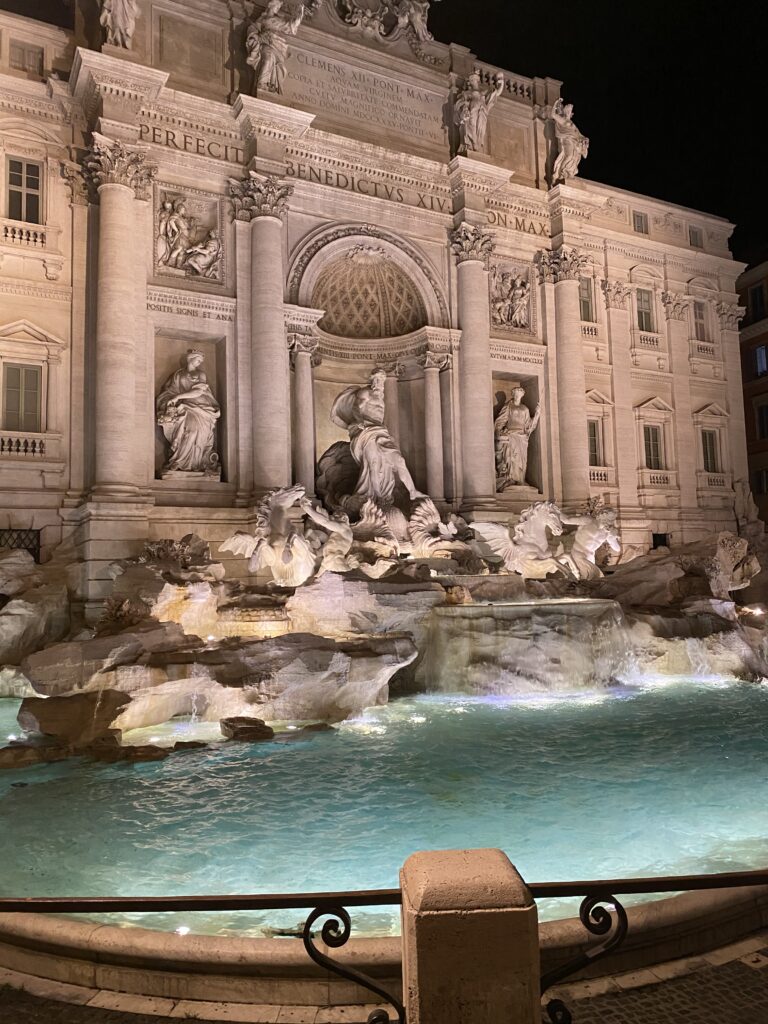
The Trevi Fountain is free too — you only pay a small €2 charge if you want to go down to the basin at the water’s edge. Worth it? Honestly, the free view doesn’t envy it much. We’ve explained the whole thing here.
But say you’re curious. Looking from outside isn’t enough — you want to go in, and breathe the air in there.
Colosseum: a guided tour of around three hours runs to roughly €40, audioguide included. And that price also covers the Roman Forum and the Palatine Hill, so it’s better value than it first looks.
The other big ticket in Rome is the Vatican Museums and the Sistine Chapel — a whole subject of its own, with its own booking rules and its own queues. We’ll cover it properly in a separate article.
Lunch in Rome: €8 or €35, your choice
This is where the range opens up.
Sit-down restaurant in Trastevere or near Via del Corso — tourist areas, in other words — expect around €30 to €40 per person.
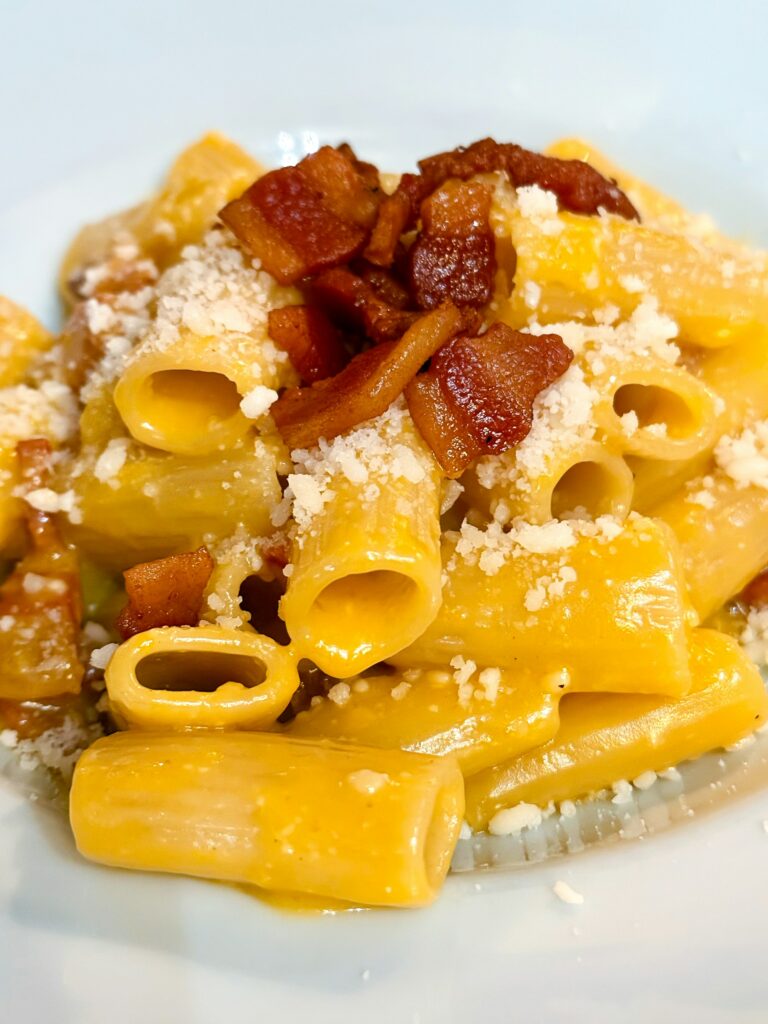
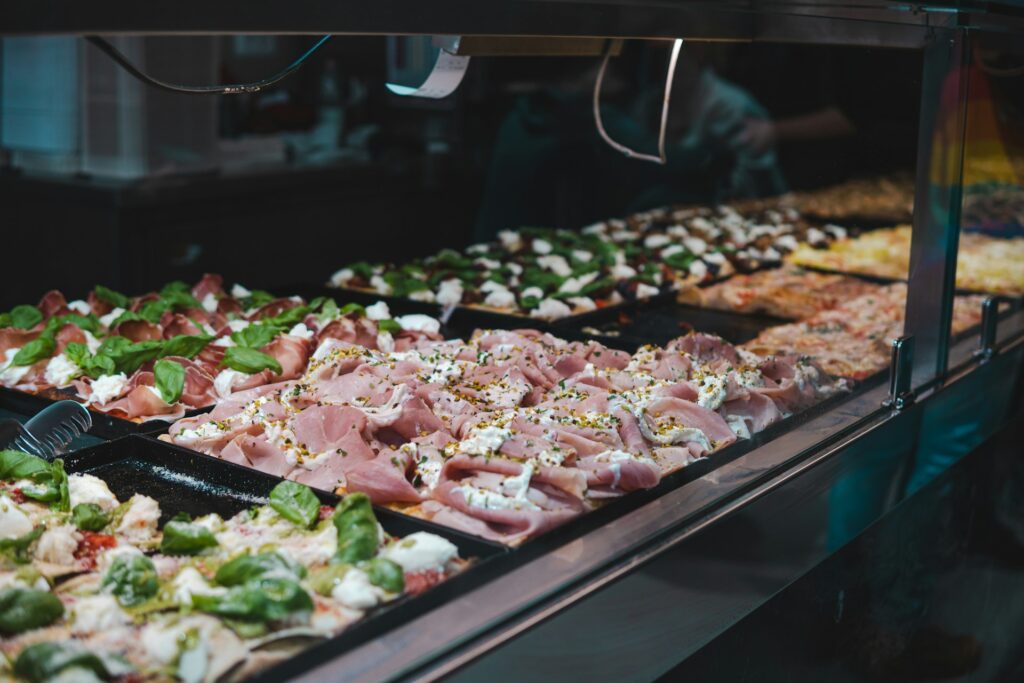
Pizza al taglio is the cheaper alternative, and there are hundreds of places across Rome, each with its own speciality. Pizza is sold by weight, at roughly €20–25 per kilo depending on the topping. So around €8 for 400 grams, which is a proper lunch. Add a supplì for about €2.
Choose carefully, though — and here’s a rule that will serve you everywhere in Italy.
We tend to give a place a specific identity. A bar is a bar. A pizzeria makes pizza. A gelateria makes gelato. A restaurant does restaurant food.
So when you see a sign saying “pizza e gelato”, it’s probably aimed at tourists. Possibly good — but less authentic. We’re not telling you to distrust anywhere that does more than one thing; we’re telling you that a pizzeria doing nothing but pizza will almost always be more original.
(More signals to read a place properly: how to spot a tourist-trap restaurant and our street food guide.)
Getting around Rome: €8.50 for the day
After lunch you take the metro, which is well connected, having bought your day pass for €8.50. One ticket, unlimited travel on buses and metro, nothing else to think about for the rest of the day.
And if you don’t need a whole day of travelling, you don’t need the day pass: a single BIT ticket costs €1.50 and lasts 100 minutes across buses, trams and one metro journey. Two or three trips and the day pass wins. Fewer than that, buy singles.
Either way — validate it. Stamp the ticket in the machine when you board the bus or tram. Inspectors do check, the fine is real, and “I didn’t know” has never worked on anyone.
A taxi to cover the same ground would run you €20–25 a trip. Worth it occasionally, at the end of a long day. Not worth it as a habit.
Water: free, all day
One line item that costs you nothing.
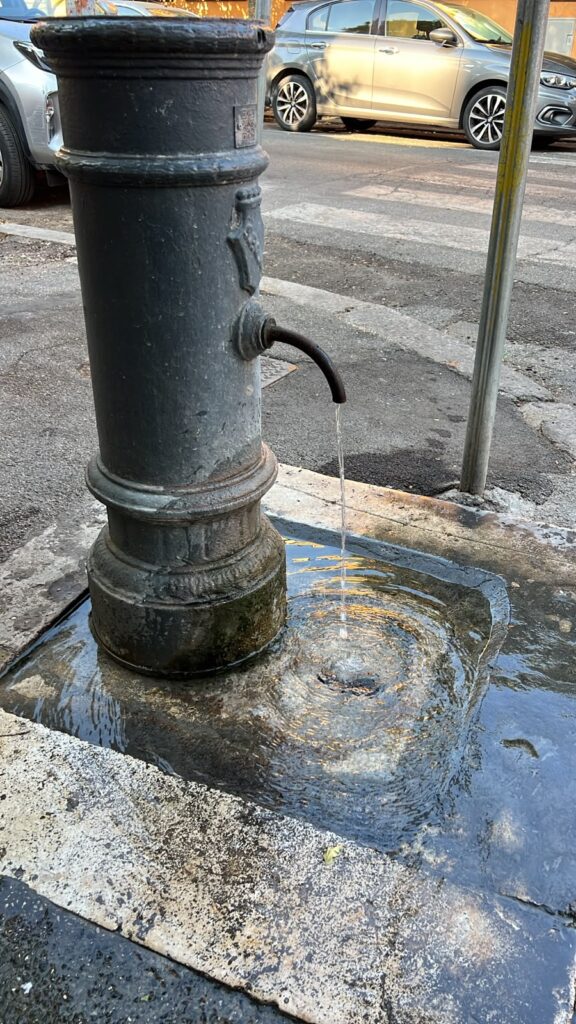
The nasoni — Rome’s cast-iron street fountains — sit on corners all over this city, running cold drinking water continuously, silently, for free. We’ve written about how to drink from them properly, and about the water itself, which is genuinely something.
At a restaurant table you’ll pay around €2.50 for a bottle — and that’s fair enough, because we can’t exactly move a nasone next to the table. But for the rest of the day, carry a refillable bottle and the water is on Rome.
Gelato: €3
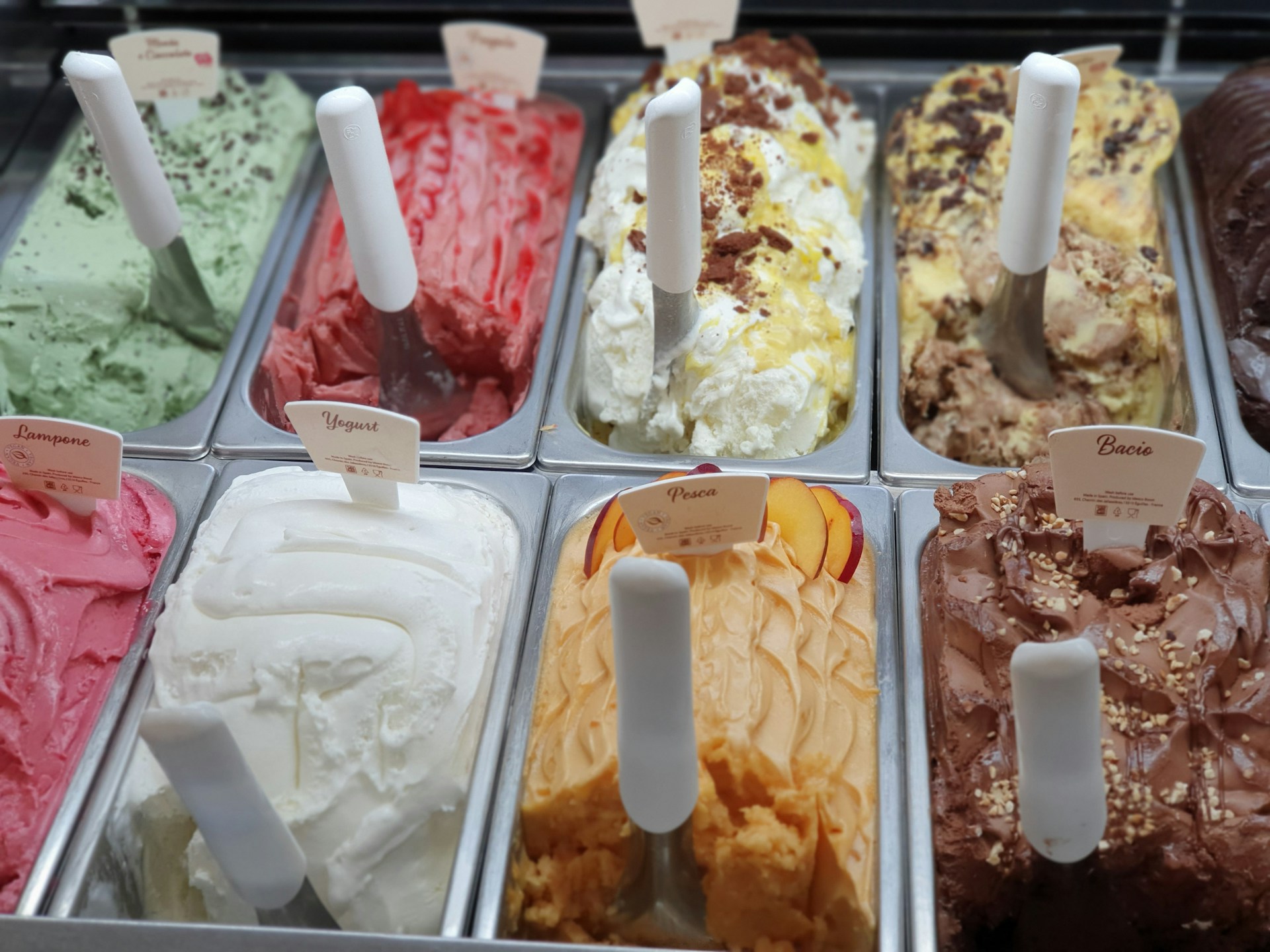
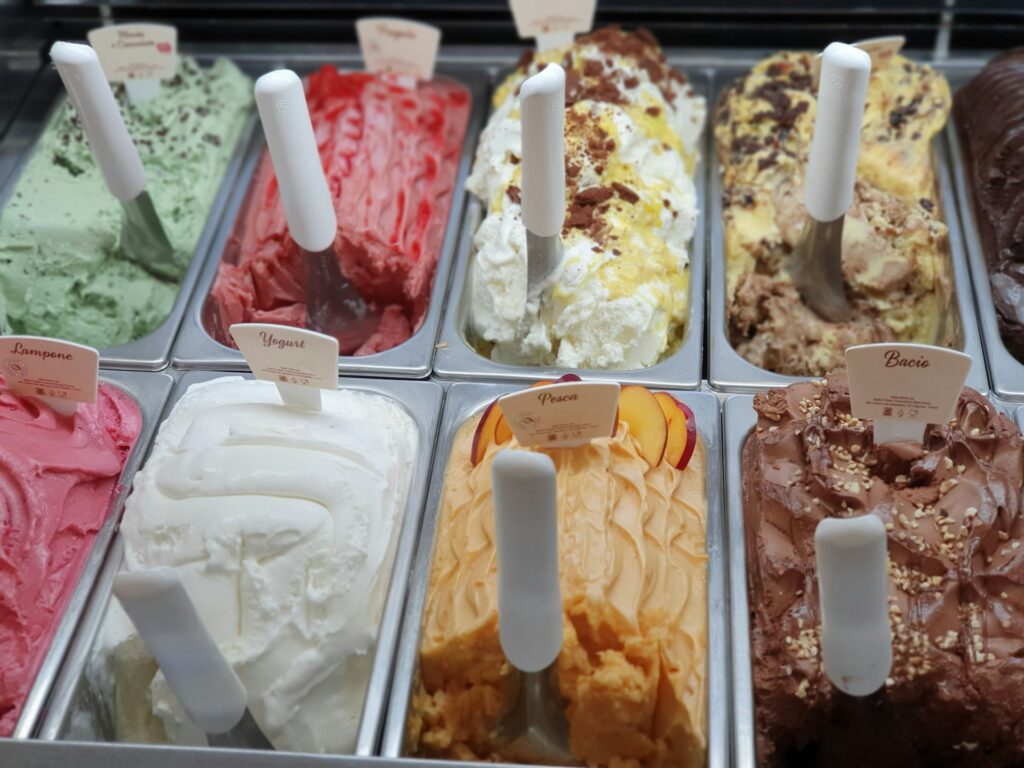
Go artigianale. It’s the only way to taste what gelato is supposed to be, and the Roman institutions — Giolitti among the most loved — are worth the detour.
A two-flavour cone costs about €3, and the whipped cream on top is included.
Evening: the aperitivo, €15–20
Change direction. Head towards Ponte Milvio — the bridge of lovers — and walk across it, which costs nothing at all.
Then the bars around it. Many offer apericena: an entry price of roughly €15 to €20 that gets you your spritz and access to a buffet you can eat from in industrial quantities.
It’s an aperitivo that can replace dinner entirely. And for a lot of us, that’s exactly what an evening looks like.
Dinner: €30–40, if you still have room
After a proper aperitivo, dinner is a challenge. But after a day like this one, you might well have earned it.
And as a visitor, where better than Trastevere to breathe real Roman atmosphere? Expect around €30 to €40 per person for a full dinner with local dishes and everything that goes with it.
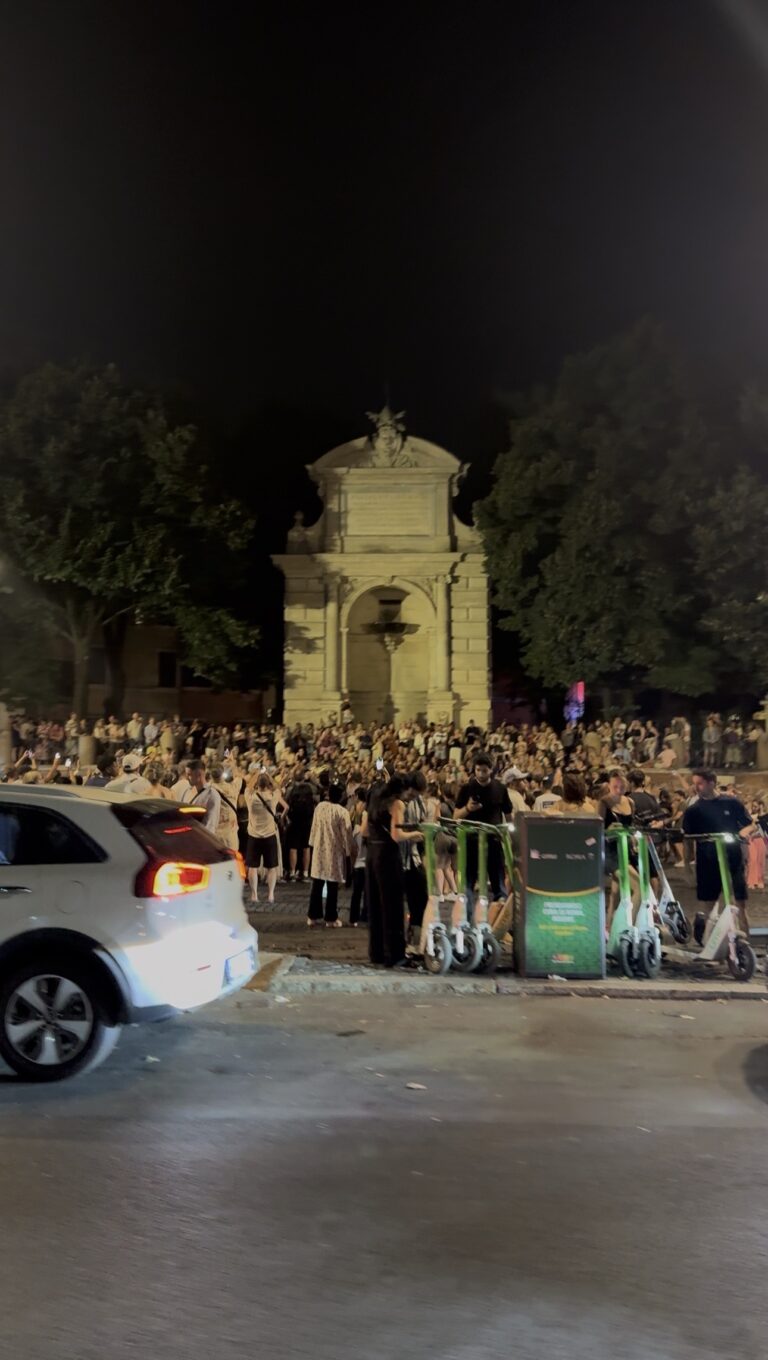
Then walk down to Piazza Trilussa, where there’s usually an open-air concert going on in the evening. We’ve ended more than one night dancing there.
It costs nothing. Which feels like the right way to end an article about money.
So what does a day in Rome actually cost?
Putting it together, roughly:
Accommodation sits separately at around €120 a night in high season, plus the tourist tax (€6 per person per night in most B&Bs and short lets). Everything below is the day itself.
The lean day — around €50
Breakfast at the counter (€5) · two espressos (€2.40) · day travel pass (€8.50) · free sights all morning · pizza al taglio and a supplì (€10) · gelato (€3) · apericena instead of dinner (€20) · water free from the nasoni
The full day — around €90
The same, plus the Colosseum, Forum and Palatine tour (€40)
The comfortable day — around €160
Breakfast seated, a taxi in from outside the centre, the Colosseum tour, a sit-down lunch in the centre (€35), and dinner in Trastevere (€35) on top of the aperitivo
And remember: there’s no obligatory tipping on top of any of it. No twenty percent, no service charge you didn’t agree to. What you see is close to what you pay. More on that here.
The short version
- Accommodation: ~€120 a night in high season. Staying outside the centre saves more than the transport costs
- Tourist tax: €3–10 per person per night depending on the property. €6 in most B&Bs and short lets. Max ten nights, under-tens free
- Breakfast: €5 at the counter, €8 seated. Plus two espressos across the day (€2.40)
- Price lists are compulsory in Italy — read them before ordering
- Most of the centre is free to look at. Trevi, Piazza di Spagna, the Vittoriano, Villa Borghese
- Colosseum tour: ~€40, includes Forum and Palatine
- Lunch: €8 for pizza al taglio, €30–40 in a sit-down restaurant in the centre
- Day travel pass: €8.50 (bus and metro). A single BIT is €1.50 for 100 minutes — and always validate it. A taxi is €20–25 a trip
- Water: free from the nasoni. €2.50 for a bottle at a restaurant table
- Gelato: €3 for a two-flavour artigianale cone, cream included
- Apericena: €15–20, and it can replace dinner
- Dinner in Trastevere: €30–40 per person
- Open-air concerts at Piazza Trilussa in the evening: free
- A realistic day: €50 lean, €90 with a major site, €160 comfortable — accommodation and tourist tax on top
- No compulsory tipping on any of it
Common questions
How much money do I need per day in Rome?
Around €50 for a lean day, €90 if you add a major site like the Colosseum, and about €160 for a comfortable day with sit-down meals. Accommodation sits on top of that, at roughly €120 a night in high season.
What is the tourist tax in Rome?
A per-person, per-night charge on top of your room rate, usually collected at check-out. It runs from €3 to €10 depending on the property — around €6 in most B&Bs and short lets. It applies for a maximum of ten consecutive nights, and children under ten are exempt.
Is Rome expensive compared to other cities?
Less than most visitors expect. A coffee at the counter is €1.20, a proper lunch of pizza al taglio is around €8, and there is no obligatory tipping on any of it.
More real Rome, one honest tip at a time — callmeitaly.com