Rome in August: The City Empties of Romans (and Why That’s Good for You)
Rome in August is like a beautiful woman left alone, without the attention of her partner.
She’s still there. Still magnificent. But something is missing — and it’s us.
Because in Italy, in August, everything slows down. Especially here. The locals move to the coast: whoever has a place by the sea goes and stays there. Companies close, or run on the smallest possible staff. The Romans leave.
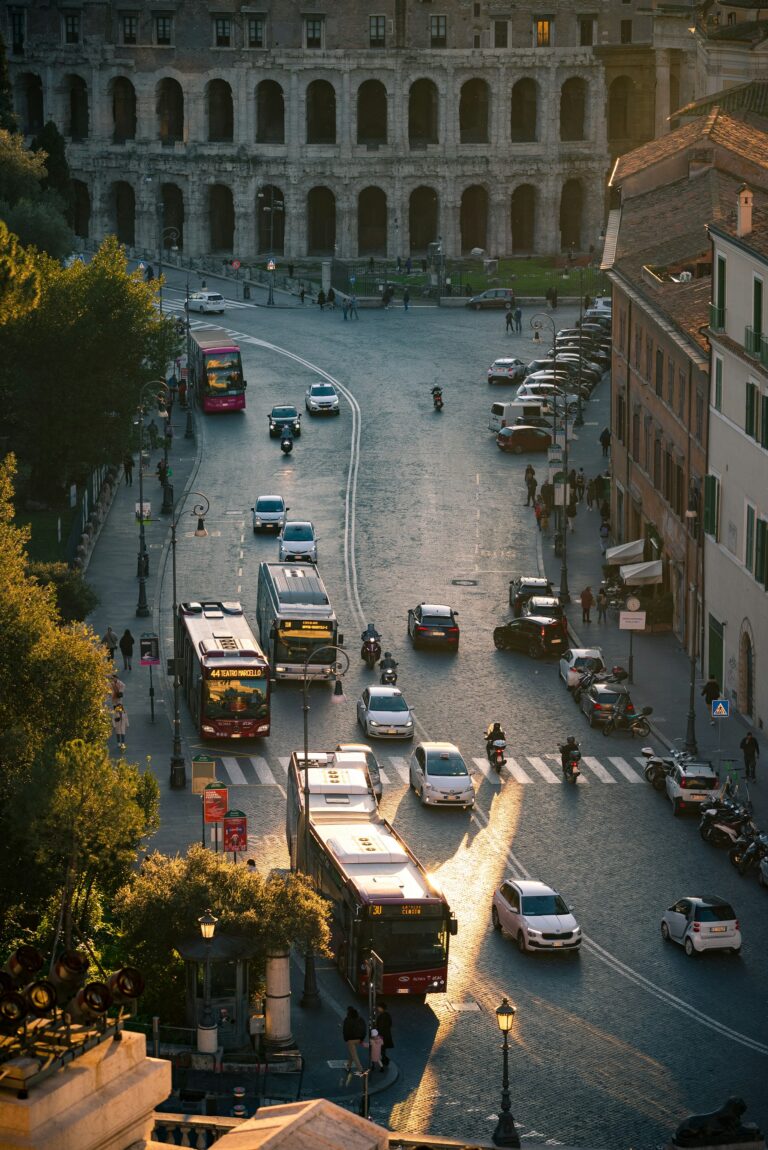
It happens every single year. The city empties of the people who live in it, the streets clear of traffic, and Rome almost seems to fall asleep.
What this actually means for your trip
Let’s clear up the biggest misunderstanding straight away, because a lot of visitors arrive expecting shutters down everywhere.
They won’t be.
Restaurants — especially in the central areas — are fully operational. So are most bars. The tourist side of this city doesn’t go to sleep in August; it carries on at full speed. What empties out is strictly the Roman side: people leaving for the central weeks, or for the whole month.
So what you’ll find is a Rome that is quieter, hotter, and as beautiful as ever.
And you get one advantage that locals would trade a lot for: nobody will beep at you if you sit at a green light for five seconds. In this city, that is a genuinely rare event.
The “blackout ferragostano”
Here’s a piece of Italian culture nobody explains to visitors.
The whole month is affected, with the heaviest concentration in the middle weeks. And in the run-up to August, every appointment in this country gets pushed to September with one of two phrases:
“A questo punto facciamo dopo Ferragosto.” — Let’s just do it after Ferragosto.
“C’è Ferragosto di mezzo.” — There’s Ferragosto in the way.
It’s practically a national anthem. It isn’t a Roman thing or a Milanese thing — the entire country is bound together by the culture of the blackout ferragostano.
If you email an Italian business in the first half of August and hear nothing back, now you know why. Nobody is ignoring you. They’re at the beach.
If you can choose your dates, here’s when a Roman would actually come.
What Ferragosto actually is
The night of the 14th is when it happens. Bonfires on the beaches, fireworks going up along the coast, and beaches as crowded at one in the morning as they’d be at midday. In some places there are religious processions — the small statue of the Madonna carried out on a boat by the fishermen. It’s genuinely striking to see.
Then the 15th is the classic family lunch.
And you’re probably thinking: that’s it? Nothing particularly special?
You’d be right. There’s nothing extraordinary about these days. But there’s togetherness, and there’s unity, and above all there’s time — time for yourself and for your family. And there’s il dolce far niente: the sweetness of doing nothing at all.
That’s the whole point of it.
Rome’s monuments are open at night this August
This is new, and it’s worth planning around.
For the whole of August, the Ministries of Culture and Tourism are running an experiment: major monuments staying open up to four hours later than usual. The stated aim is to manage visitor flows and let people visit during the cooler hours of the day.
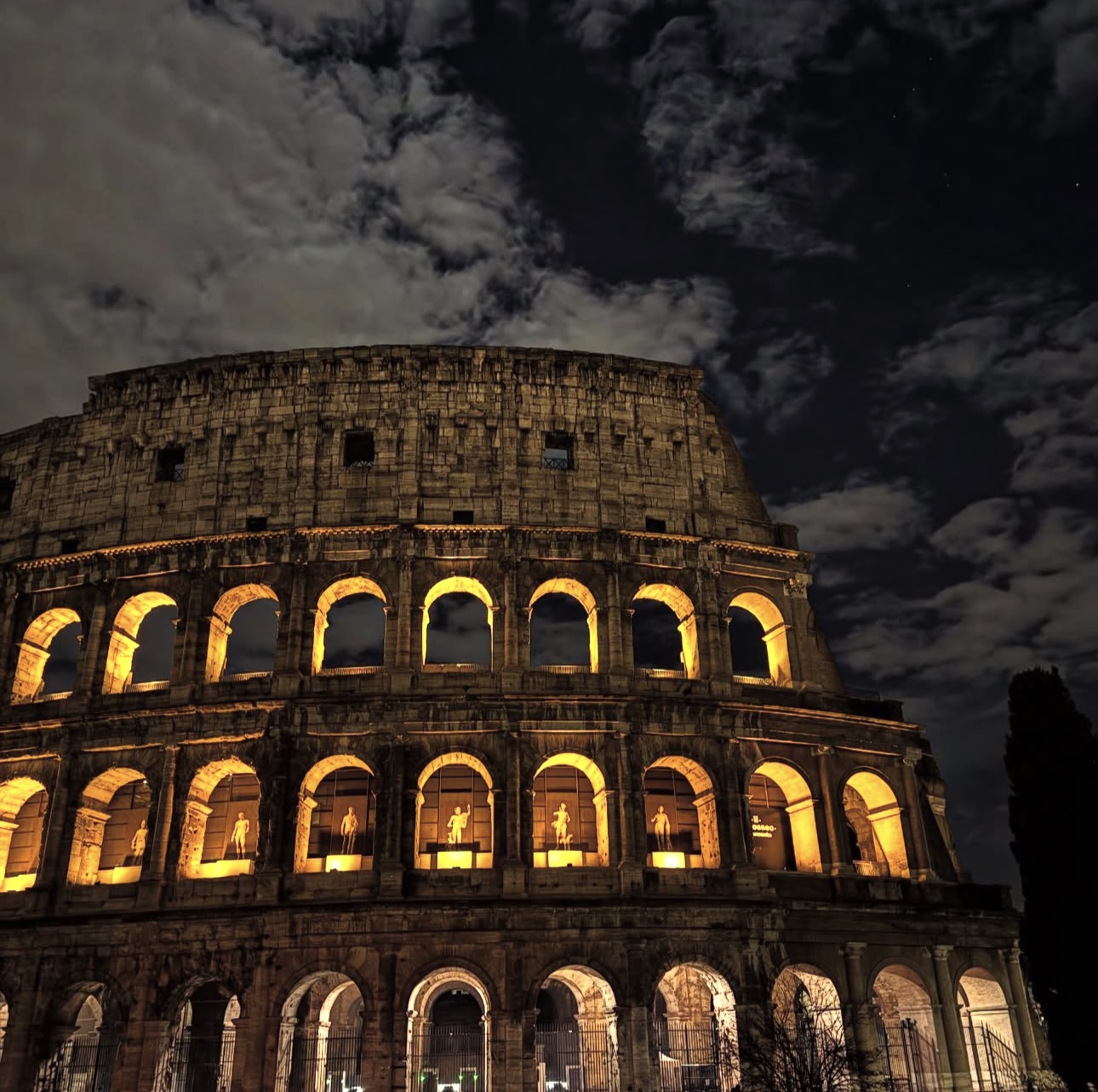
- Colosseum — Friday and Saturday, 7:45pm to 11:30pm
- Pantheon — 7pm to 11pm, every day except Thursday
- Vittoriano and Palazzo Venezia — evening openings on 7 and 21 August
- Terme di Caracalla — the Notturno Imperiale programme, with special evening openings running through to mid-October
If you’ve read our guide to the Roman heat, you’ll know exactly why this matters. The middle of the day is when this city becomes hard work. Being able to walk into the Colosseum at half past eight in the evening, with the temperature finally dropping, is a completely different experience.
One caution: these are experimental openings and dates can change. Check the official ticketing sites before you plan your evening around them.
The mistakes people make
Thinking less traffic means you can see more.
It doesn’t. Yes, the city moves more freely — but there’s simply too much here. Rome doesn’t become smaller in August. You still can’t do it all, and trying will ruin the days you have.
Worrying about services being closed.
Transport, museums, restaurants, bars, gelaterie — it all works. What you actually get is slightly shorter queues and slightly less traffic.
And note the word slightly. We say a touch, not a transformation, because while the locals leave, tourists make up a very large share of the people in this city. It empties of Romans, not of everyone.
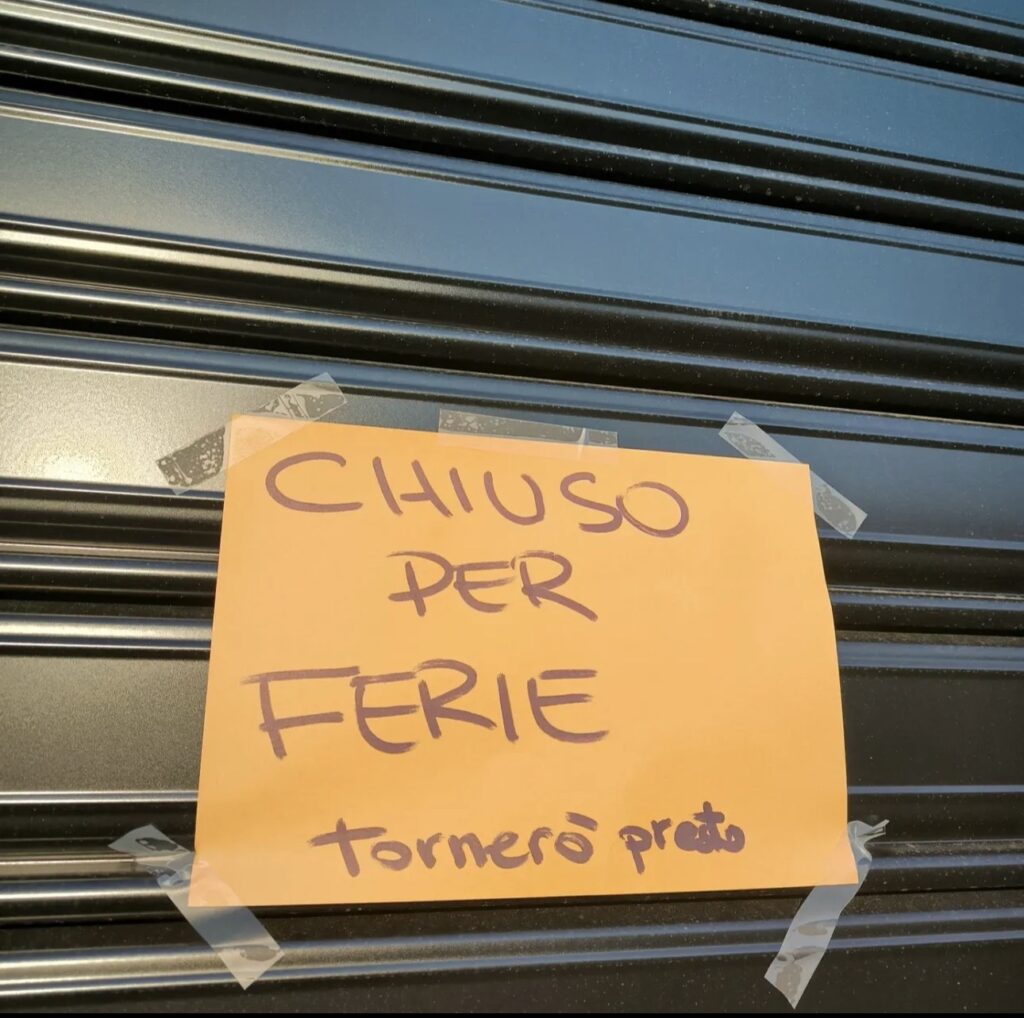
The one real risk: the small restaurant out of the way — the sort of place in the northern neighbourhoods where actual Romans eat — might well be closed for the holidays. If you’ve got somewhere specific in mind, call and book. Always.
So, is August a good time to come?
Enjoy the city with that extra touch of silence, and a few less car horns.
As for us — like any good Roman, we’ll be on the beach with our family, watching the sky light up with fireworks, looking for a shooting star to wish on.
Nothing special.
Just blissfully Roman.
The short version
- Rome doesn’t close in August — the Romans leave, the city keeps working
- Central restaurants, bars, transport and museums are fully operational
- Heaviest emptying in the middle weeks; the whole country pushes appointments to September
- Ferragosto: bonfires and fireworks on the 14th, family lunch on the 15th
- Colosseum and Pantheon open late all month — check official sites for dates
- Out-of-the-way restaurants may close for the holidays: call and book
- Expect slightly fewer queues, not an empty city
Common questions
Is everything closed in Rome in August?
No. Central restaurants, bars, transport and museums all run normally — the tourist side of the city doesn’t slow down. What empties out is the Roman side: locals leave for the coast, especially in the middle weeks.
What is Ferragosto?
The 15th of August, and effectively the peak of the Italian summer holiday. The night of the 14th brings bonfires and fireworks on the beaches; the 15th is the classic family lunch. Expect the whole country to be slower for a fortnight around it.
Is August a good time to visit Rome?
If you can choose your dates, a Roman would pick late September instead — the heat in August is serious. If you’re already coming, the city works fine and you’ll find it quieter than usual, with fewer horns and shorter queues.
More real Rome, one honest tip at a time — callmeitaly.com