Rome Etiquette: Tipping, Churches and the Mistakes Nobody Warns You About
Let’s be clear about something before we start.
None of what follows is law. Nobody will fine you for drinking a cappuccino with your pizza. There’s no dress code police waiting outside restaurants.
This is our culture, not our rulebook. Everything we don’t do, we don’t do because experience has taken us away from it — and you’ll benefit from that experience too.
Follow these and you’ll be closer to italianità than you think.
Tipping in Rome: the good news for your wallet
In Italy, tipping is almost a taboo. Not out of disrespect — it simply isn’t our custom, and no law obliges anyone to do it. It’s entirely at your discretion.
Here’s how it actually works for a Roman. A tip is left only when the service, the meal and — above all — the bill have all been appreciated. A steep bill will never earn a tip from an Italian, who at that point will take back even the twenty cents of change, on principle.
And the same freedom applies to you.
There’s no obligation. None. If you enjoyed everything, leave something as a sign of appreciation — but forget percentage calculations. Given the custom here, you can happily scale it down in your favour: on a hundred-euro bill, five euros will be very well received.
Obviously nobody working in hospitality turns down a generous tip, and it won’t embarrass them in the slightest. But from the point of view of your holiday budget, we genuinely recommend saving on tips.
Where tipping applies: restaurants, and occasionally bars with table service. That’s it.
Where it doesn’t: shop assistants — in clothing shops or anywhere else. It’s simply not done here, and they’ll refuse. Don’t offer, and you’ll spare both of you the awkwardness.
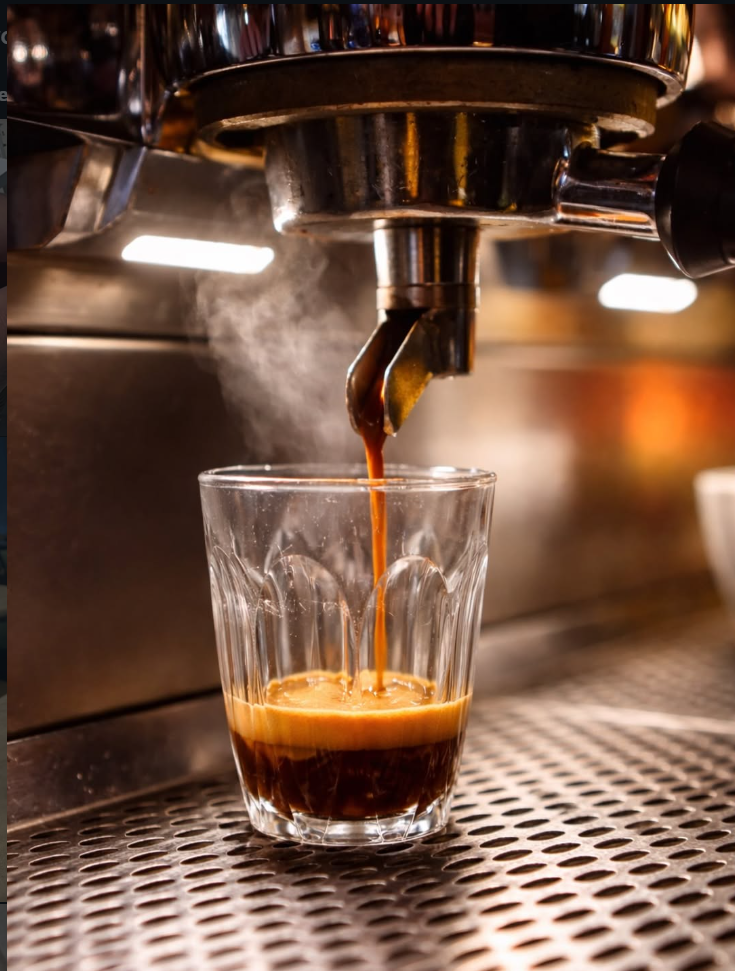
And at the bar: if you’ve had a coffee standing at the counter, leaving a few coins in the dish is appreciated — but never expected. Nobody counts, and nobody minds if you don’t.
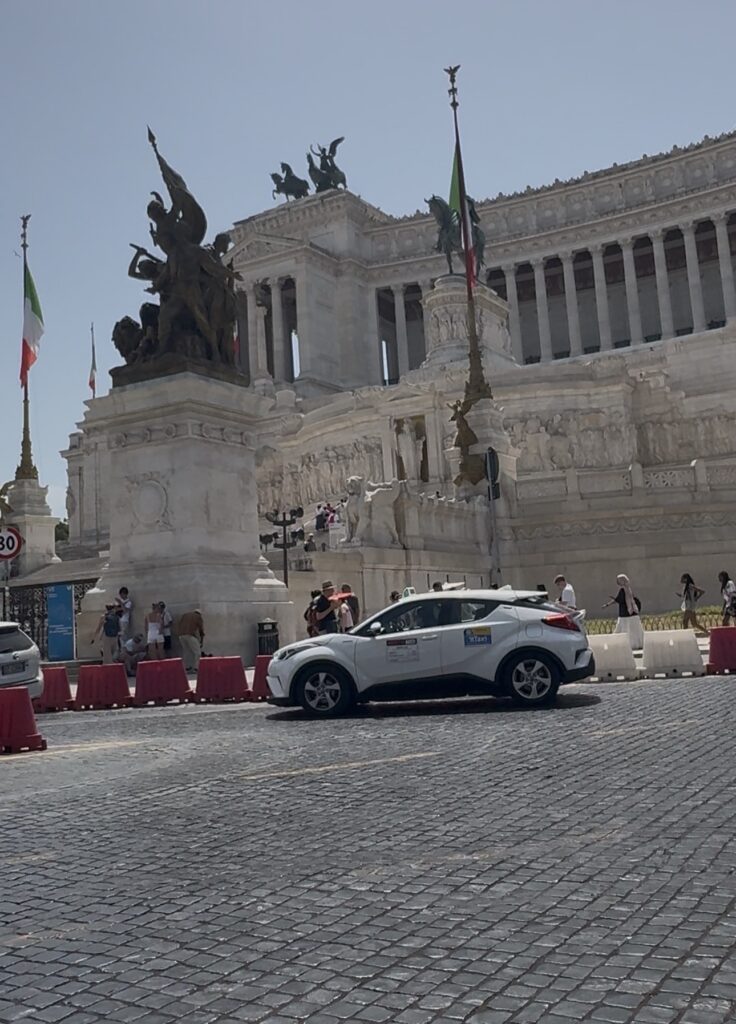
What about taxis? We asked the one person who’d actually know — Nico, our friend who drives one for a living. His answer: a tip is more than welcome.
But the same principle holds as everywhere else here. It isn’t expected, no driver will be put out if you simply pay the fare, and there’s no percentage to calculate. Round up if the ride was good and you feel like it. That’s all it is.
What is the coperto? And how the bill works
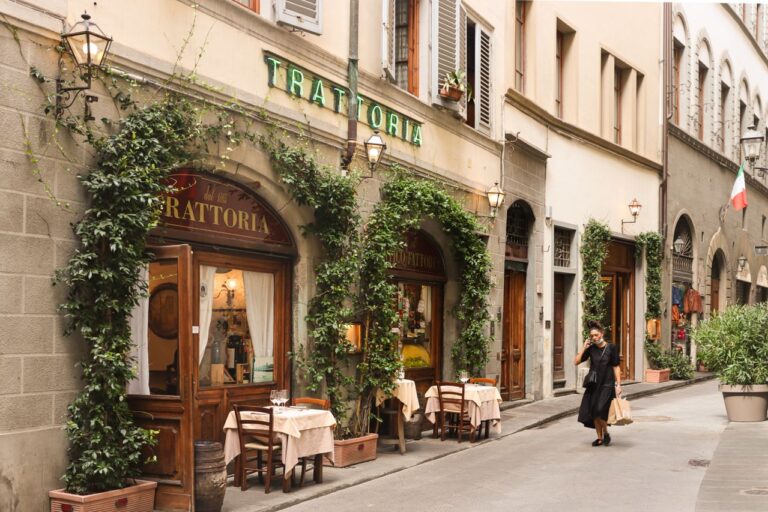
The coperto is simply the cost of the table service: the cutlery, the bread, the condiments. Nothing to be alarmed about. It’s a small per-person charge — typically one to three euros in Rome, and up to four in the most touristy areas.
And put it in perspective: that’s nothing compared to a compulsory twenty percent tip. Combined with the fact that tipping isn’t expected here, it works out as a genuine financial advantage — especially for American visitors.
So no, the coperto is not a scam. If you want to know what the actual scams look like, we’ve written about those separately — and they have nothing to do with the cover charge.
How the bill works: in most cases you ask the waiter for it and it’s brought to your table. The exceptions are fast-food chains and a few specific places where you go up to the till yourself.
And remember: the service is always included in the total you pay. So if something about the experience wasn’t right, you can simply skip the tip — you’ve paid for the service regardless.
Italian table manners: what to avoid
Never order a cappuccino in a restaurant. This is top of the list, and we mean it.
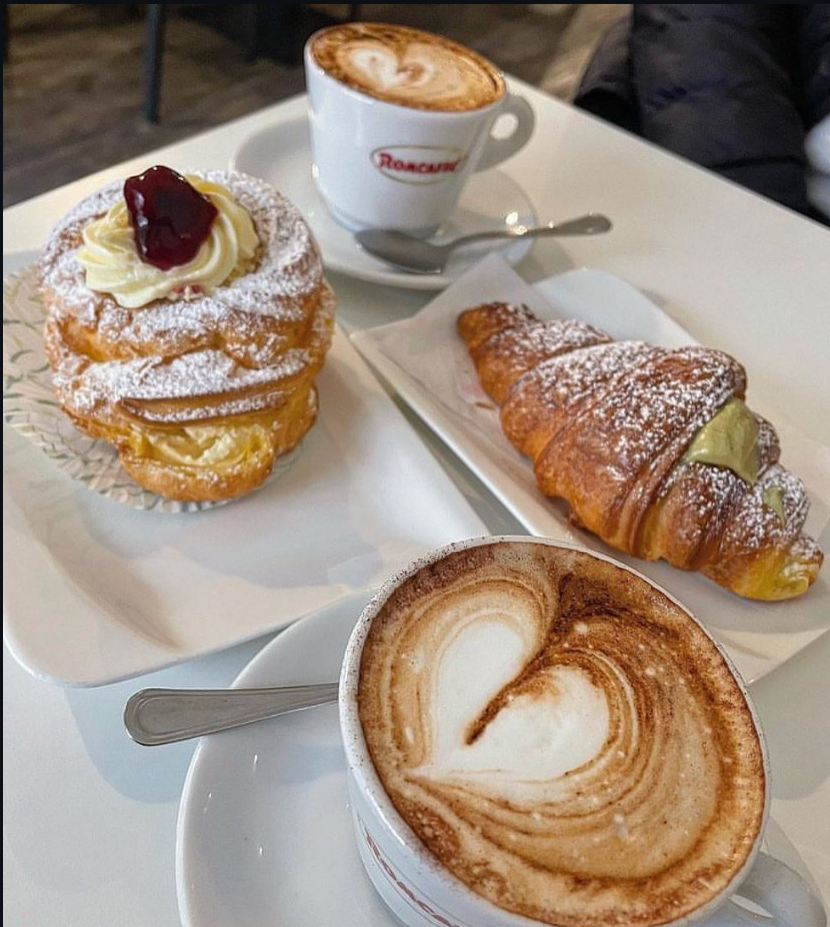
Drink your cappuccinos in bars, at any hour you like — as we’ve explained elsewhere, the time is not the problem. The pairing is. Cappuccino is the lead actor of the Italian breakfast, and it belongs with sweet things: cornetti, tarts, ciambellone, pastries. Never with pasta, pizza or meat.
Remember this one and you’ll avoid a few strange looks — and do your stomach a favour.
Don’t put the parmesan where it doesn’t belong. In most places you’ll find a dispenser of grated parmesan or pecorino sitting right there on the table. It looks like an invitation. It isn’t always.
Putting cheese on, say, tonnarelli allo scoglio will ruin the entire dish. Cheese never goes on fish. Ask the waiter — always. Trust people who’ve followed these simple rules forever; there’s a reason this country is known for eating well.
And the famous one: breaking spaghetti. Yes, it’s considered a crime against italianità. But there are cases where it’s allowed — in certain soups where a short pasta works better, you might well find a grandmother in the south snapping spaghetti in half. Because spaghetti is an excellent shape, but long pasta rarely sits well in a soup.
The rule was never the ritual. It’s the pairing.
Rome church dress code: what will actually stop you at the door
The basic rule across Italian churches: shoulders and knees covered. And both at once — a cardigan over your shoulders won’t help if you’re in short shorts.
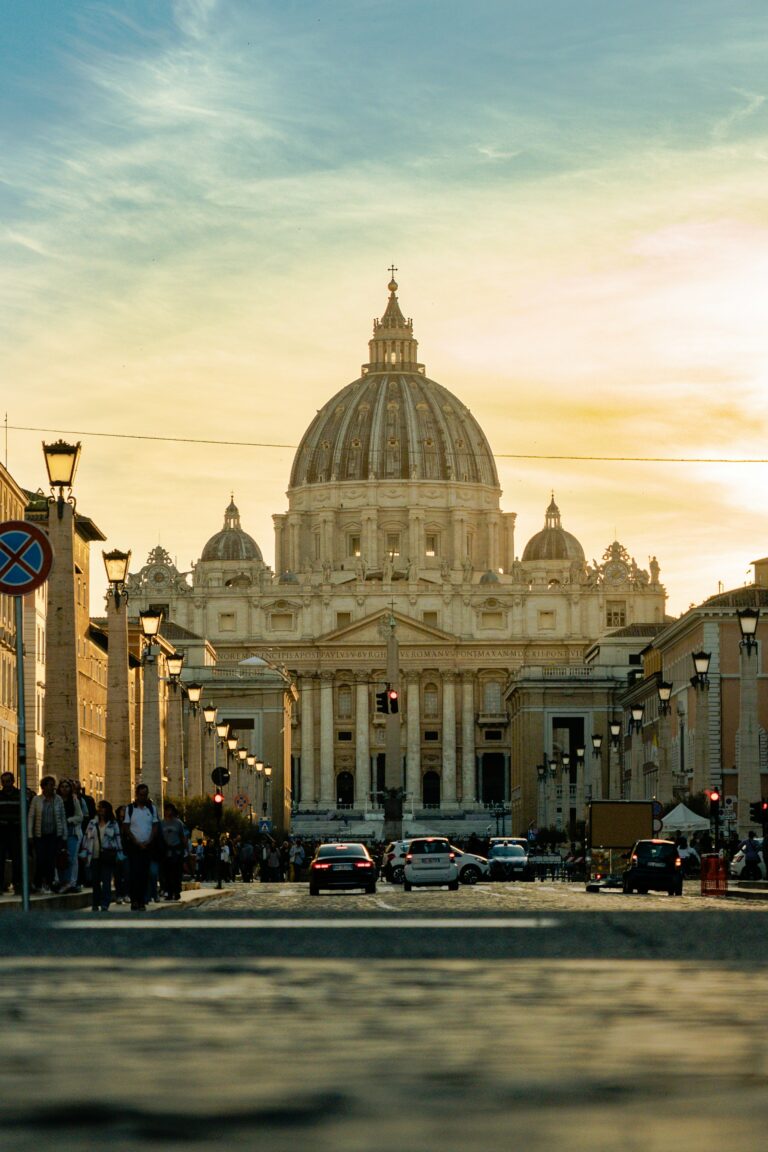
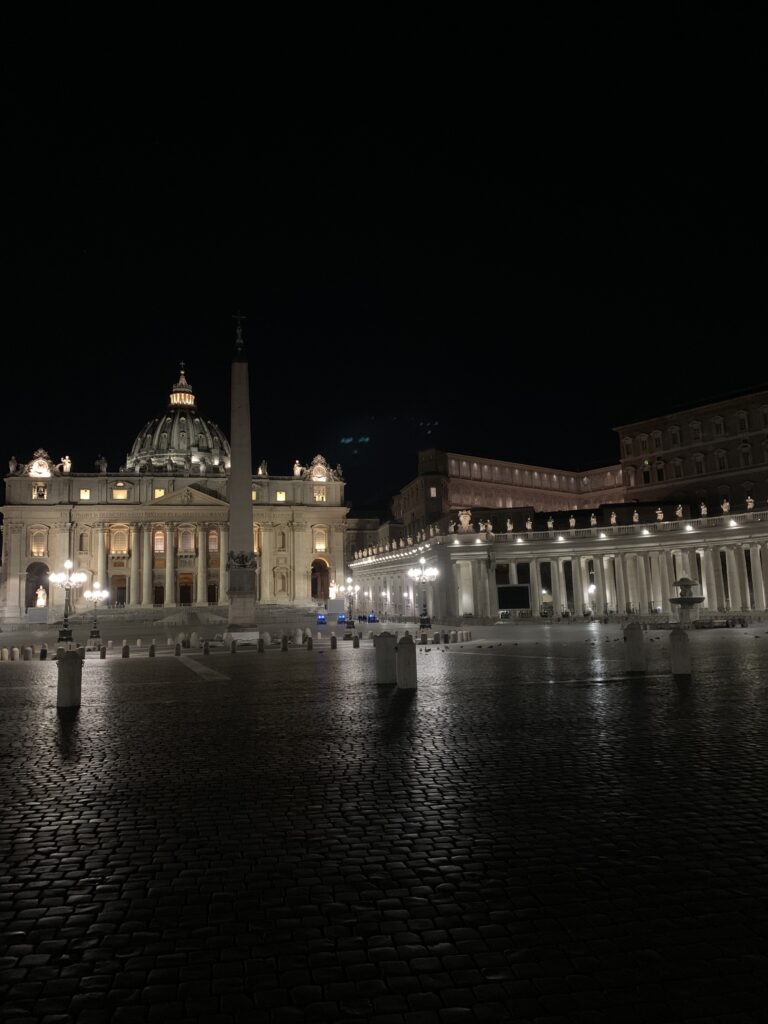
Now, the honest part. In many Italian churches these rules are posted and quietly ignored. St. Peter’s is the exception, and it’s the most strictly enforced site in Rome: security turn visitors away at the checkpoint every single day.
What gets you refused:
- Sleeveless tops, tank tops, spaghetti straps, crop tops, deep necklines
- Shorts or skirts above the knee (knee-length is fine)
- Ripped jeans that expose skin at the knee
- Men must remove hats
What it costs you to get it wrong: you’re sent away, you change, and you rejoin the queue. In peak season that’s another sixty to ninety minutes of your day. Disposable ponchos are sold at the entrance for a few euros, but treat that as an emergency measure, not a plan.
The practical fix: a lightweight pashmina in your bag covers bare shoulders in a second and weighs nothing. For men, zip-off trousers are genuinely useful in summer — long for the Basilica, short for the rest of Rome.
The same rules apply to the Vatican Museums, the Sistine Chapel and the Vatican Gardens.
How to greet people in Italy
Until midday, walk into a place with “buongiorno.”
Ciao is a more intimate, less formal greeting. Nobody will be offended by it — but it will be received differently. After midday you switch to “buonasera,” and here everyone has their own opinion: some start at five in the afternoon, some earlier. It doesn’t much matter.
What matters is the impression you want to leave with a simple greeting. If you care about a certain verbal elegance, go with buongiorno and buonasera. Once you’ve built some familiarity with someone, ciao is perfect.
One small warning. In Italy we kiss on the cheeks to greet someone we’re fond of, or someone we haven’t seen in a long time. Don’t apply this to everyone assuming it’s our standard custom — it isn’t. With people you don’t know, it’s an intimate gesture and should be treated as one, not as a default hello.
What genuinely upsets us
We hate it when people bathe in our fountains.
Often it’s just for a video, a bit of bravado, a moment of attention. And it stings a little — because it risks damaging a piece of history that’s been left there, in the open, for all of us to look at.
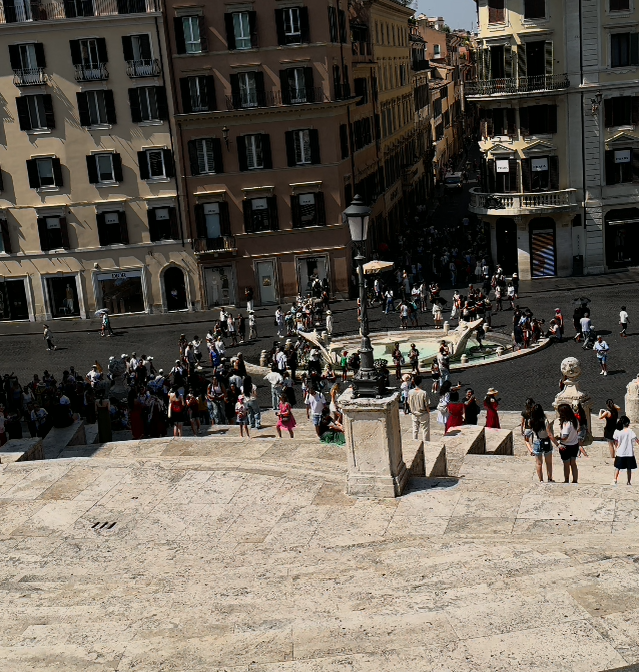
It’s part of why the new fee at the Trevi Fountain doesn’t bother us at all.
And what we love
Here’s the one that matters most.
We love it when someone tries to speak our language — whatever their accent, however it comes out. All those adorable buonshorno, buongiornò, said in whatever way you manage to say them, fill us with pride.
They make you a welcome guest.
So don’t worry about getting it perfect. Worry about trying.
The short version
- Nothing here is law — it’s culture. Nobody will stop you
- Tipping: not expected, not obligatory. Five euros on a hundred is well received
- Shop assistants: it’s simply not done — don’t offer
- Bars and taxis: a few coins or rounding up is welcome, never expected
- Coperto: one to three euros per person for the table service, up to four in tourist areas. Not a scam
- Service is always included in the bill
- Never a cappuccino in a restaurant. Never cheese on fish
- Churches: shoulders and knees covered. St. Peter’s actually enforces it
- “Buongiorno” until midday, “buonasera” after. Ciao is for friends
- Cheek kisses are intimate, not a standard greeting
- Don’t get in the fountains
- Try our language, badly. We’ll love you for it
Common questions
Do you tip in Rome?
Not as an obligation. Tipping isn’t Italian custom and no law requires it. If you enjoyed everything, forget percentages — five euros on a hundred-euro bill is very well received. Shop assistants won’t accept tips at all.
What is the coperto on an Italian restaurant bill?
A per-person cover charge for the table service — cutlery, bread, condiments. Typically €1 to €3 in Rome, up to €4 in the most touristy areas. It’s legal and normal, and it should be printed on the menu.
Can I wear shorts in St. Peter’s Basilica?
Only if they reach the knee. Shoulders and knees must both be covered, and St. Peter’s actually enforces it — security turn visitors away every day. A lightweight scarf in your bag solves the shoulders in a second.
More real Rome, one honest tip at a time — callmeitaly.com